What makes one Bay St. Louis home sell for more than another on the same street? In a coastal market like ours, the answer is rarely just square footage. You juggle lifestyle goals, insurance costs, and location perks that are unique to the Mississippi Gulf Coast. In this guide, you’ll learn the local value levers that most influence pricing, how to measure them, and what steps help you buy or sell with confidence. Let’s dive in.
Why Bay St. Louis values differ
Bay St. Louis blends historic Old Town charm, waterfront living, and relaxed neighborhoods across Hancock County. That mix attracts a wide range of buyers, from local residents to second-home seekers. Coastal realities also play a role. Flood zones, elevation, and insurance can affect both what buyers are willing to pay and how quickly a home sells. Understanding these variables helps you price, negotiate, and plan improvements with clear purpose.
Old Town proximity and walkability
Old Town is the historic and cultural core with shops, restaurants, and events near the water. Being within a short walk typically increases demand because buyers value convenience and character. Homes that reflect Old Town’s style can also draw more attention.
- How to measure: Build two comp sets. One within about 0.25 to 0.5 miles of Old Town and one outside that radius. Compare price per square foot and days on market.
- What to watch: Design-review or historic guidelines may support long-term value by preserving character, but they can limit exterior changes. Set expectations early if you plan updates.
Water access and water type
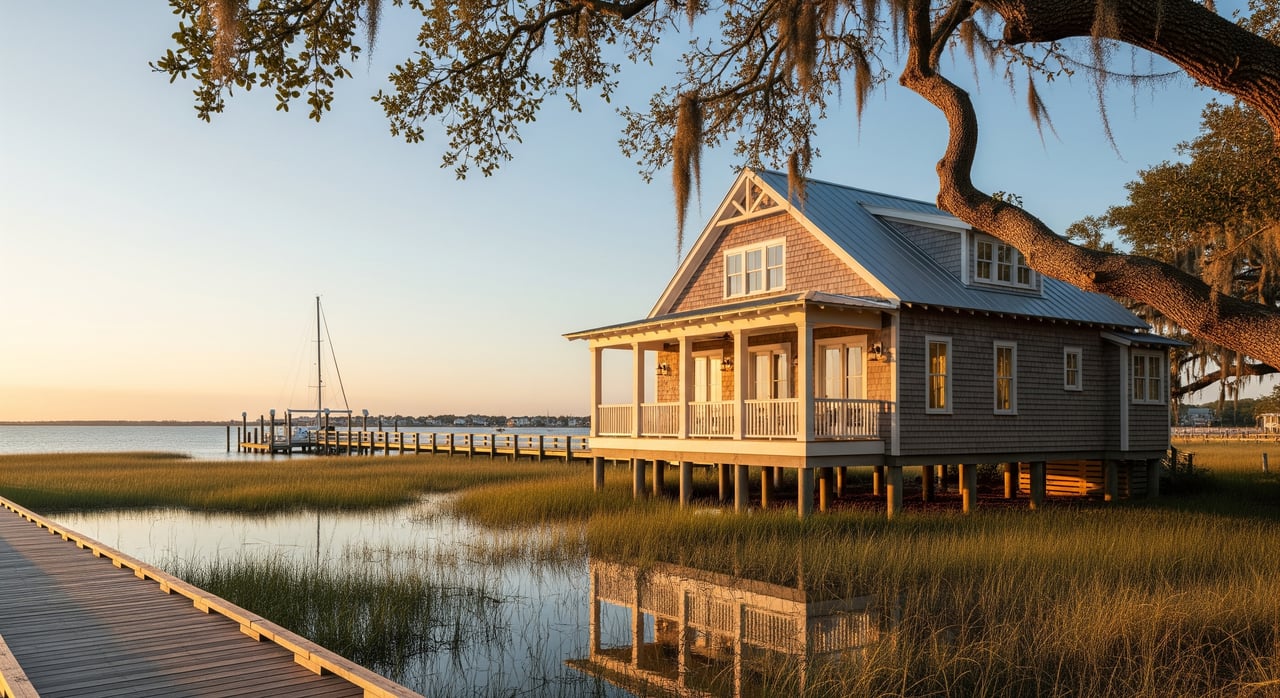
Water sells, but the type of water matters. Direct bayfront with a private dock tends to command the strongest premium. Canal-front and protected bay access follow. Water views without direct access usually add less than true frontage, while inland homes rely more on lot size, condition, and proximity to amenities.
- How to measure: Compare recent sales on the same or similar streets. Separate comps by water classification: direct bayfront, canal-front, water view, and inland.
- Costs to factor: Waterfront insurance and maintenance can be higher. Buyers balance the premium for access and views against ongoing costs.
Flood risk, elevation, and insurance
Flood zone status and elevation can influence price, buyer pool, and financing. Many buyers start with monthly cost of ownership, so changes in required flood insurance impact offers.
- What to check: FEMA flood zone (AE, VE, X), Base Flood Elevation, elevation certificate, and any flood-mitigation work like flood vents or elevated utilities.
- How to measure: Compare recent sales of similar homes in the same flood zone and with similar elevation. Obtain quotes for flood insurance so you can evaluate how premiums affect affordability.
- Market impact: Properties with repeated flood claims or lacking mitigation can see reduced demand. Clear documentation of improvements builds buyer confidence.
Lot size and buildable area
Lot size, shape, and usability often matter more here than in typical inland markets. In Old Town and near the water, larger and more usable lots are scarce and can command a premium. Setbacks, wetlands, and access to sewer or septic systems affect the buildable footprint and future plans.
- How to measure: Look at comparable sales with similar acreage or yard usability. For unique lots, consider recent lot-only sales and adjust for improvements.
- Waterfront specifics: Confirm riparian rights or private dock rights when relevant. These can significantly affect value.
Parking and access
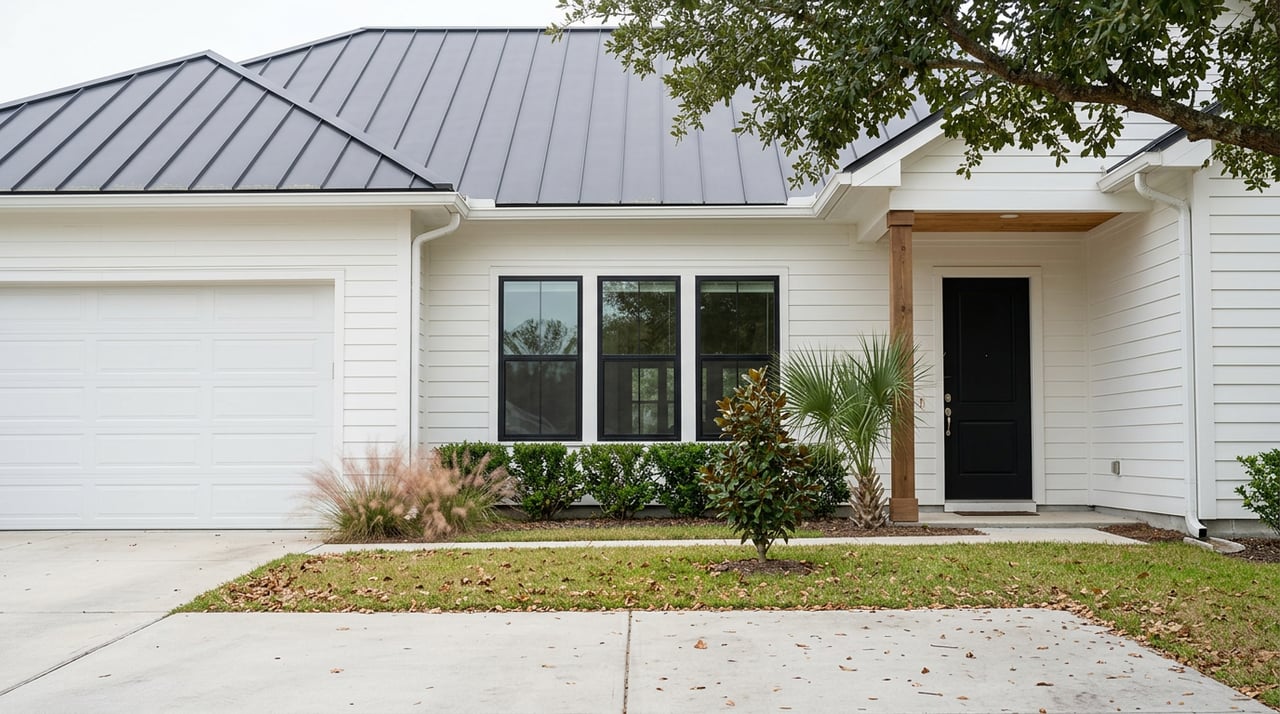
Old Town’s narrow streets and busy weekends can make parking a priority. A driveway, off-street parking, or a garage may widen your buyer pool. Investors who plan short-term or seasonal use often value reliable parking for guests.
- How to measure: Compare sales and days on market for nearby homes with a driveway or garage against those relying on street parking.
- What to consider: If you entertain or commute, dedicated parking is more than a convenience. It can be a deciding factor.
Renovations that matter most here
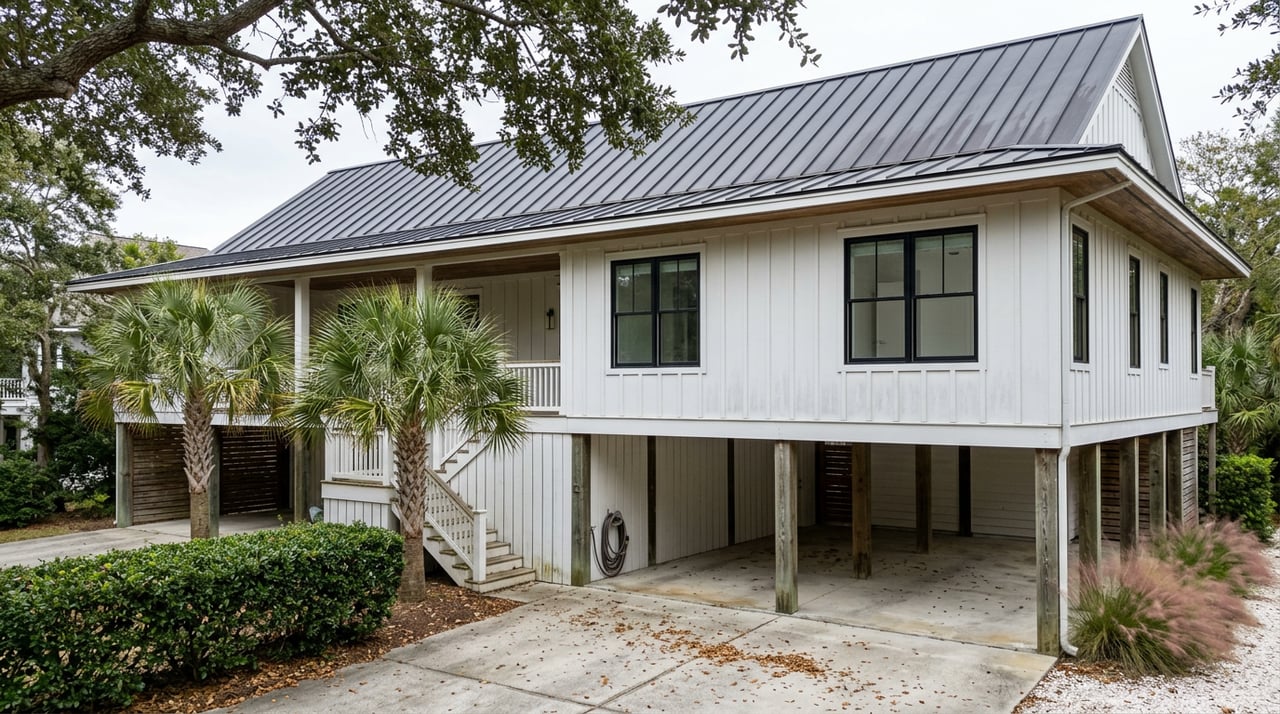
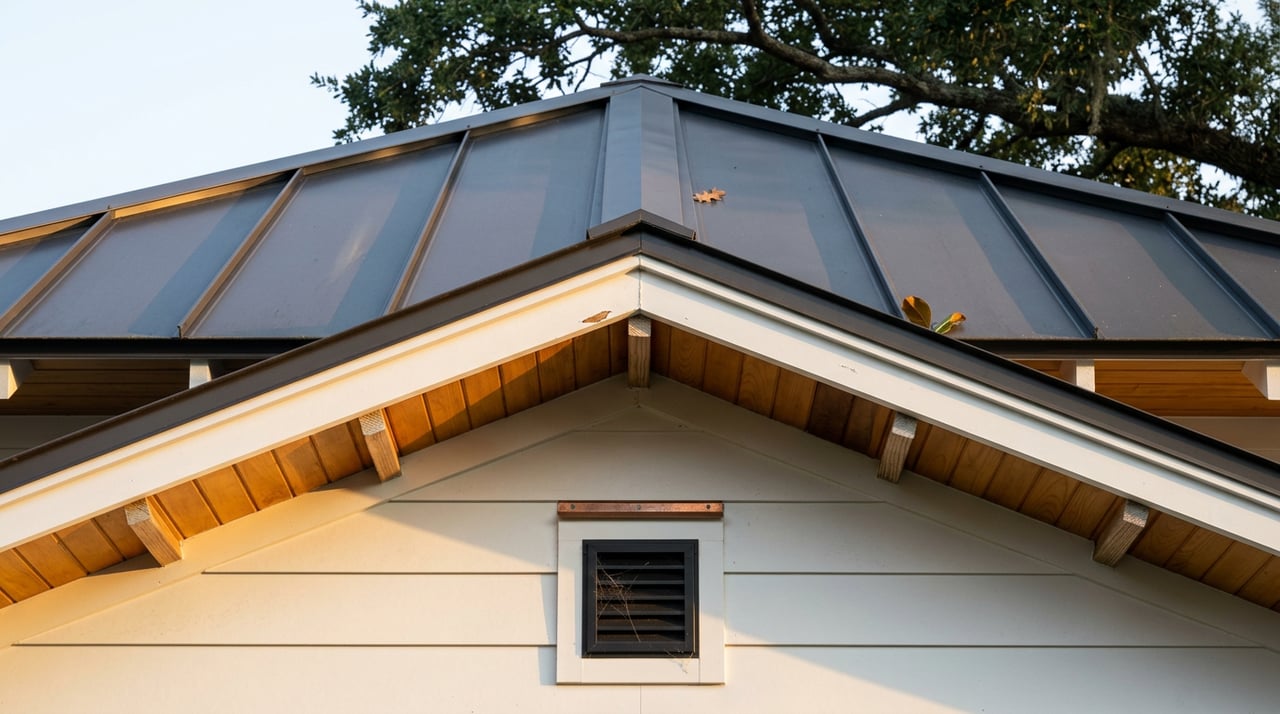
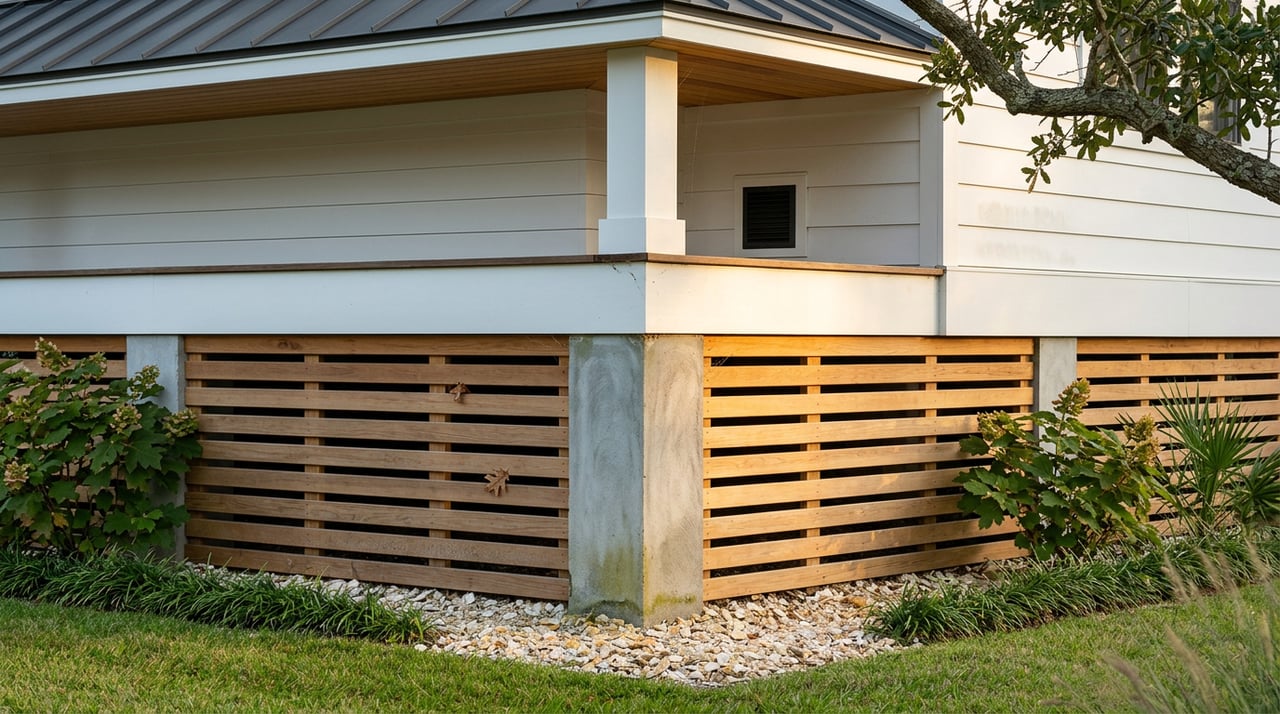
Coastal climate and storm exposure shape what buyers value. Homes with strong wind-rated roofs, impact-rated windows and doors, elevated foundations, and up-to-date systems tend to attract better offers. Kitchens and baths still matter, but storm-readiness and moisture control carry extra weight.
- Priority upgrades: Roof, structural repairs, impact windows and doors, modern HVAC, moisture and mold remediation, and elevated utilities.
- How to measure ROI: Use local comps with similar upgrades. For big-ticket mitigation like elevation, also consider the change in expected flood premiums when estimating value.
Presentation and marketing
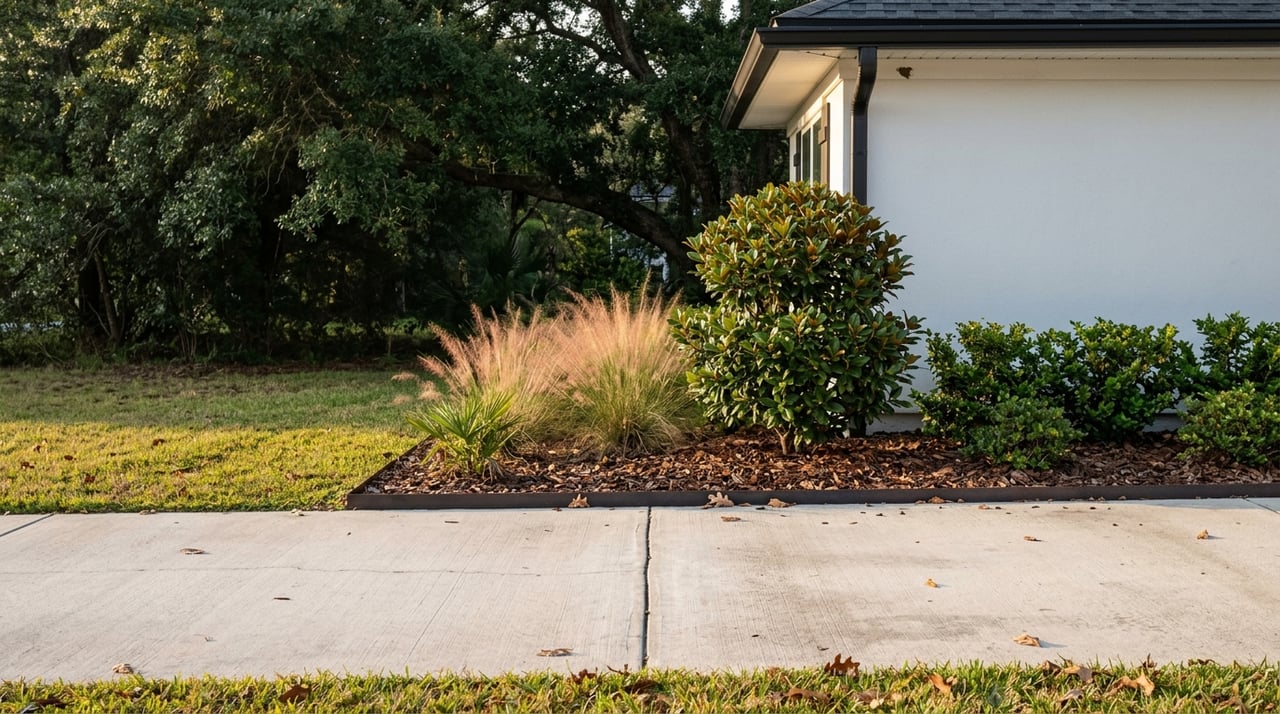
Great presentation drives showings and stronger offers. In a market with out-of-area and second-home buyers, professional photos, video, and virtual tours help your home stand out. Clean curb appeal, tidy landscaping, and light staging make spaces feel bigger and brighter.
- What works: Decluttering, fresh paint in key rooms, minor repairs, and quality media assets.
- Why it matters: Better presentation increases perceived value and can shorten days on market. Local agents often see staged and well-photographed homes sell closer to list price in coastal submarkets.
How to value a Bay St. Louis property
You can isolate key value drivers with a clear comp process. Here is a simple approach that works in our coastal market.
- Start with a tight map. Use your street or immediate neighborhood first. Expand only if you lack enough recent sales.
- Build comp pools. Create sets for waterfront type, Old Town proximity, similar lot size, and similar flood zone or elevation.
- Compute base metrics. Track price per square foot, days on market, and percentage of list price over the last 6 to 12 months.
- Apply targeted adjustments. Adjust for beds, baths, square footage, condition, parking, and unique features like docks or elevated foundations. Use paired sales where possible.
- Validate your findings. Check your numbers with a local appraiser or an experienced coastal agent. Factor in seasonal demand shifts.
- Include carrying costs. Estimate flood insurance so you can compare total monthly cost. Buyers will do the same.
Seller checklist: maximize your sale price
- Get an elevation certificate if you are in a flood zone and share it with buyers.
- Service or replace key systems: roof, HVAC, and moisture control. Highlight impact-rated doors and windows.
- Disclose flood and claim history. Provide permits and repair documentation to build trust.
- Boost curb appeal: pressure wash, paint trim, refresh landscaping, and organize outdoor areas.
- Stage smart: declutter, rearrange furniture for flow, and use neutral accents. Invest in professional photography and a virtual tour.
- Consider targeted mitigation: elevate utilities, add flood vents where appropriate, and document improvements.
Buyer checklist: make a confident offer
- Verify FEMA flood zone, Base Flood Elevation, and get an elevation certificate. Collect flood insurance quotes for the exact property and elevation.
- Confirm sewer or septic and review records if septic is present.
- Inspect for prior water intrusion or mold. Request repair and permit history.
- Review waterfront details: dock permits, seawall condition, and maintenance responsibilities.
- Confirm parking and any Old Town design-review rules that might affect renovation plans.
When to lean on a local team
Local experience matters when you price a home near Old Town, weigh a waterfront premium, or compare flood-zone impacts. A team that lives and works in Bay St. Louis can source the right comps, estimate adjustments, and showcase your property with high-impact media. That combination often changes the number of showings you get and the strength of the offers you receive.
Ready to evaluate your options or start a plan tailored to your goals? Connect with the local specialists at HL Raymond Properties, LLC. We combine neighborhood knowledge with professional photography, virtual tours, and storytelling to help you make your best move on the Mississippi Gulf Coast.
FAQs
How do waterfront homes in Bay St. Louis price compared to inland homes?
- It depends on the type of access. Direct bayfront with a private dock typically commands the largest premium, followed by canal-front and water views without access.
Does living near Old Town always increase a home’s value?
- Proximity to dining, shops, and events generally boosts demand, but homes very close to busy areas may see tradeoffs like parking constraints that affect some buyers.
How does flood zone affect monthly costs when buying in Bay St. Louis?
- Flood zone and elevation influence whether insurance is required and how much it costs, which can change total monthly payments and a buyer’s offer strength.
Which renovations deliver the best ROI in Bay St. Louis?
- Storm-ready features such as wind-rated roofs, impact windows and doors, and elevated utilities build buyer confidence, while updated kitchens and baths improve appeal.
What should I check about a lot before I buy in Bay St. Louis?
- Verify lot size and shape, setbacks, buildable area, sewer or septic status, and any waterfront rights or permits that could affect future plans.