
February 12, 2026
Craving salty breezes and porch sunsets without the noise of a big resort town? If you are picturing a simple, airy cottage steps from the beach, Waveland may be the quiet Gulf Coast fit you’ve been hoping to find. In this guide, you’ll learn what beach cottage life looks like day to day, the architecture and materials that work best here, how insurance and permitting affect your purchase, and the top items to check before you buy. Let’s dive in.
Waveland sits on the Mississippi Sound in Hancock County, offering a relaxed coastal pace and a primarily residential feel. You get shoreline access, small-town restaurants and shops, and easy connection to nearby Bay St. Louis and Long Beach. Compared with larger casino hubs like Biloxi and Gulfport, Waveland stays calmer and more community‑centered. That vibe makes it a favorite for second‑home seekers and anyone who wants porch time over crowds.
Life here follows a humid subtropical rhythm. Summers run hot and humid, winters are mild, and salt air is a year‑round companion. That coastal setting is a gift, but it also means planning for tropical systems. Hurricane season runs June through November. Stay weather‑aware with the NOAA National Hurricane Center’s outlooks and review local guidance from the Mississippi Emergency Management Agency.
Flooding from storm surge, tides, and heavy rain is a core consideration. Before you tour cottages, check potential parcels on the FEMA Flood Map Service Center to understand flood zones and base flood elevations. For insurance basics and coverage options, start with FEMA’s National Flood Insurance Program.
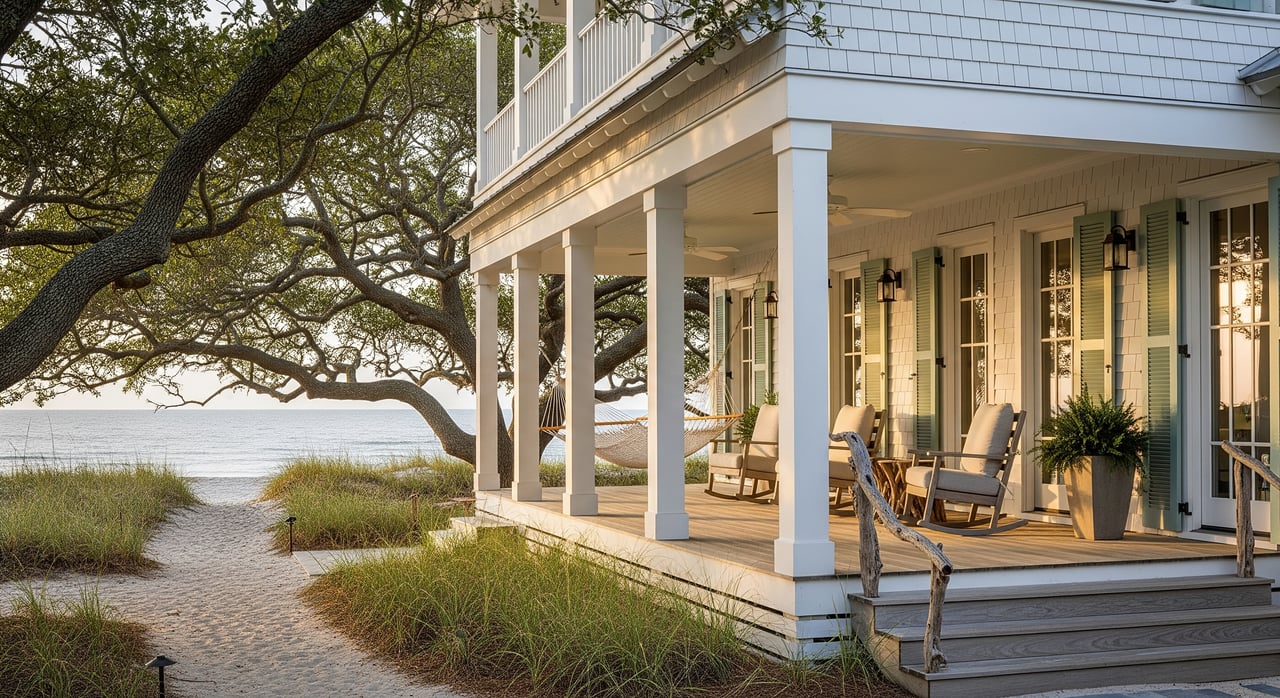
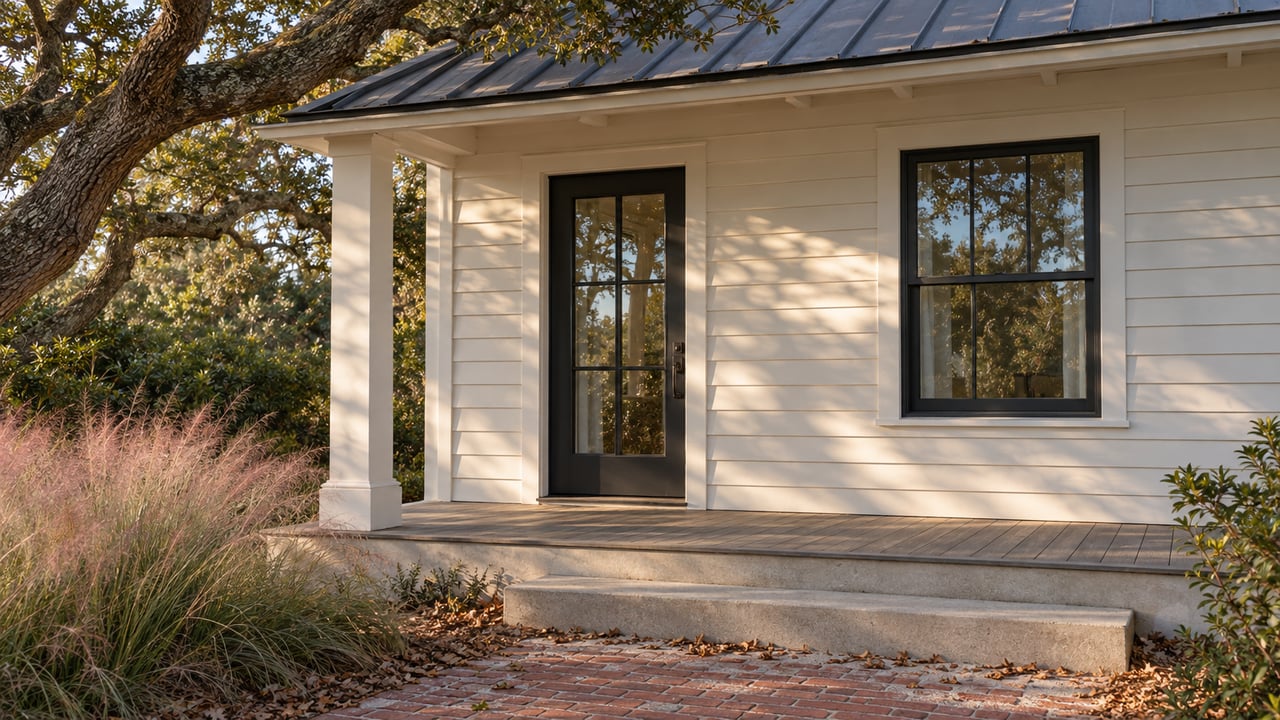
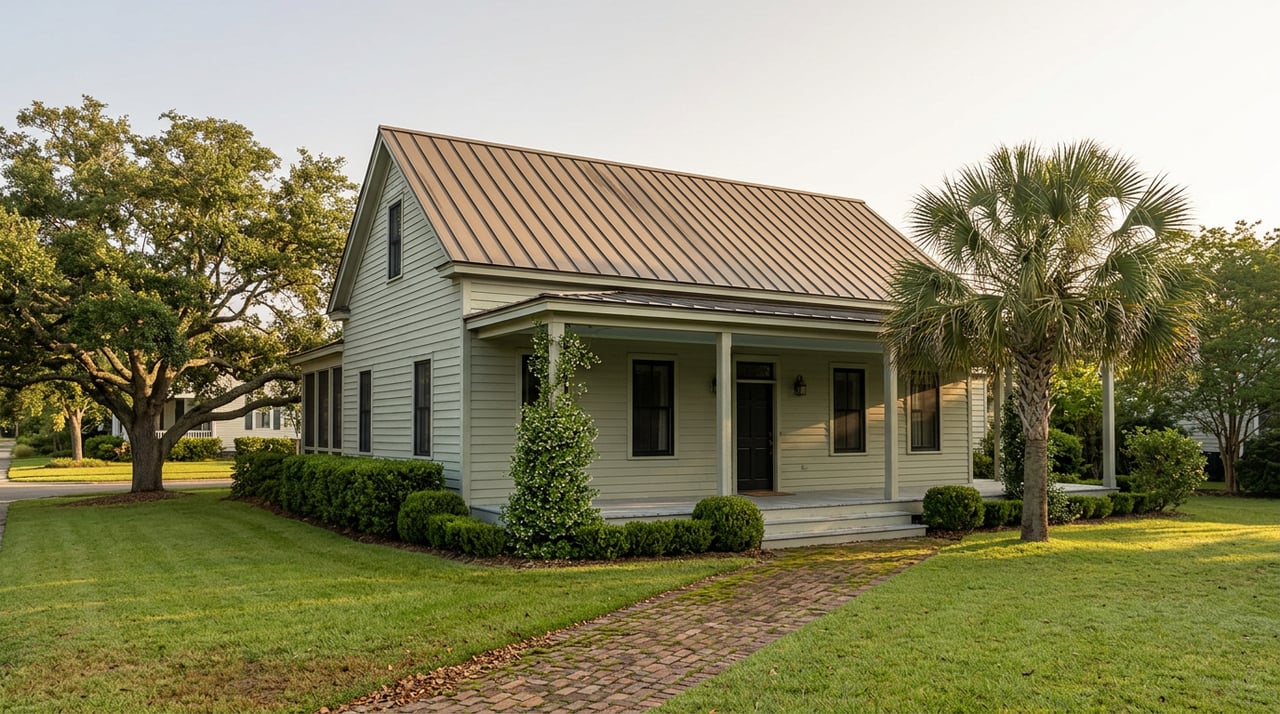
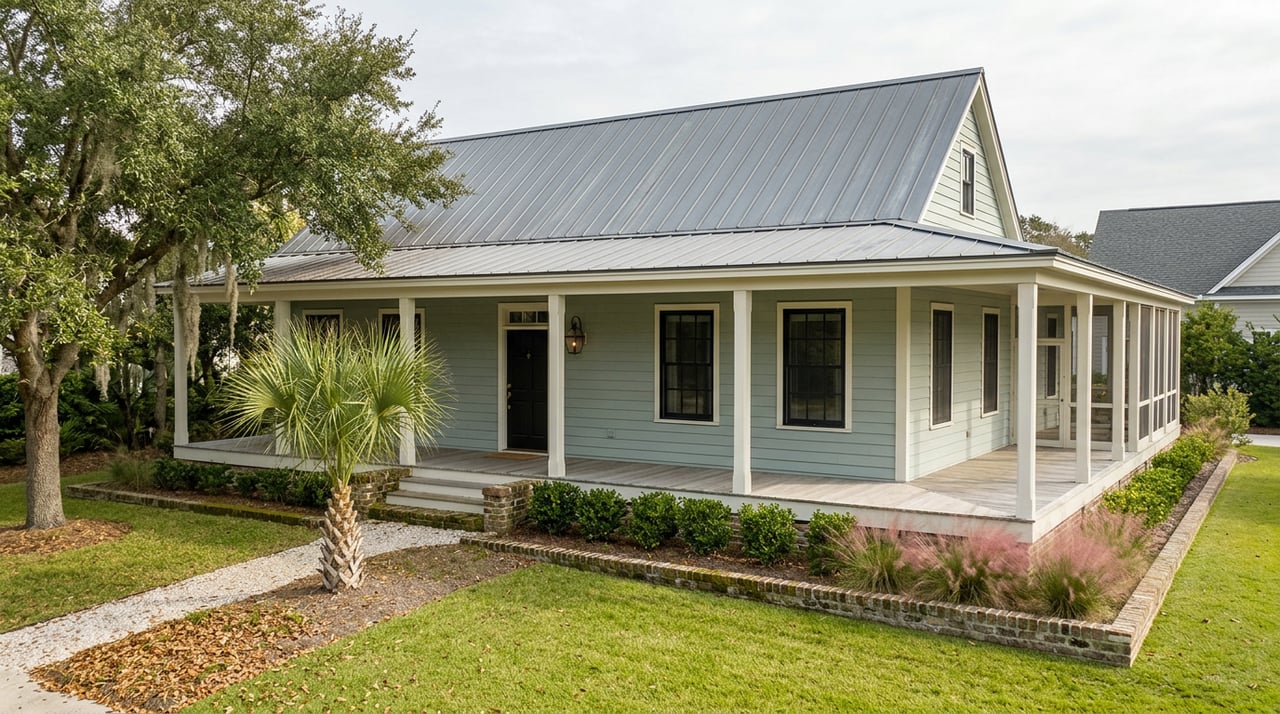
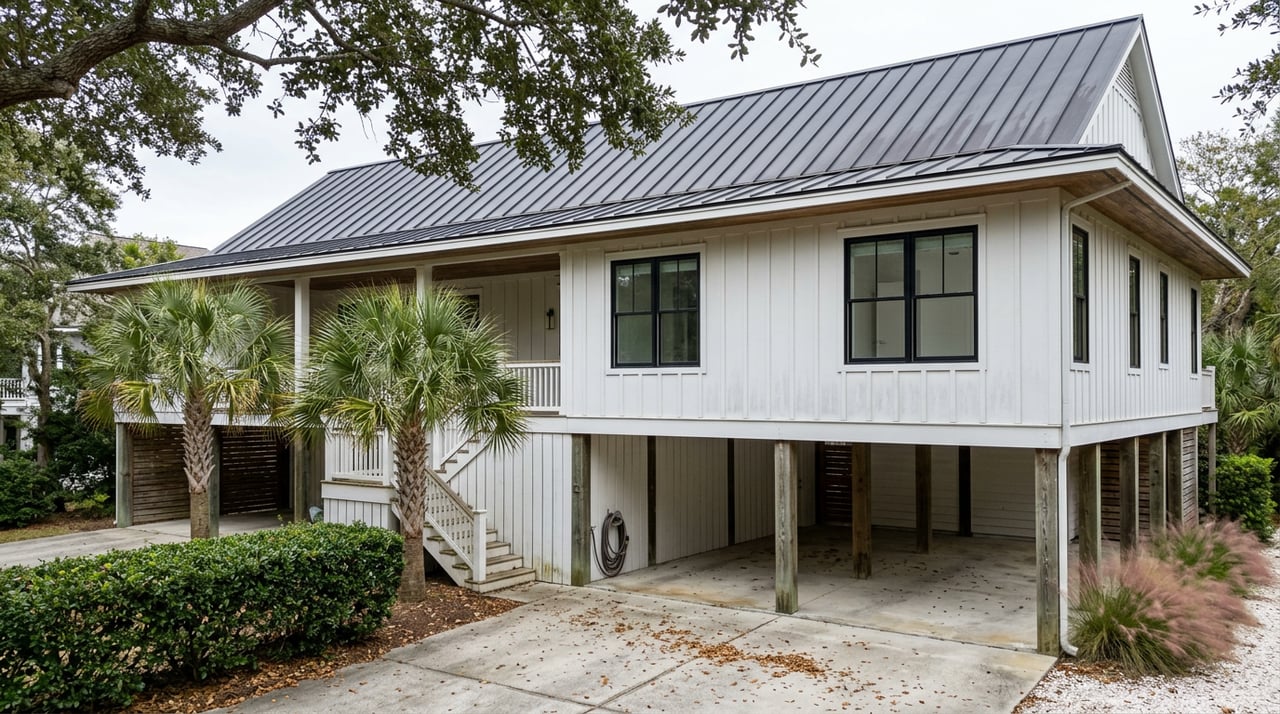
Gulf Coast cottages lean simple and smart. Common features include:
You’ll also notice larger windows and sliders oriented to catch breezes and frame water or sunset views. Many lots position porches to face south or west for evening light, or east for a cooler morning coffee hour.
Salt air, sun, and wind reward durable choices. If you plan to build or renovate, prioritize:
These features are not just nice to have. They can protect your home and may improve insurability. Ask your insurer about mitigation credits for elevation, impact openings, and roof tie‑downs.
Beach cottage living is outdoor‑oriented. You’ll spend time on porches and paths to the sand, store kayaks and paddleboards, and grill or dine with doors open to the breeze. Many owners use cottages seasonally, with peak use from spring through fall.
Plan for a maintenance rhythm tailored to the coast. Salt spray and humidity can accelerate paint fade, metal corrosion, and wood wear. Expect more frequent repainting, deck and railing upkeep, and regular checks on gutters, shutters, and roof fasteners. HVAC filters and coils need consistent attention to handle salt and humidity, and an annual termite inspection is wise.
As a planning guideline, many owners reserve 1 to 3 percent of property value per year for maintenance and repairs, depending on age and exposure. You may also want a dedicated storm‑prep fund and a budget for backup power.
Flood insurance is a key part of ownership near the water, especially if you finance your purchase. Premiums vary by flood zone, elevation relative to base flood elevation, and mitigation features. Elevated cottages often help reduce flood premiums versus slab‑on‑grade homes. Review your property’s specifics on the FEMA Flood Map Service Center and consult the National Flood Insurance Program for coverage details.
You will also need wind and hail coverage. In Mississippi coastal counties, wind‑only policies and participation in state wind programs can affect availability and cost. Ask your agent for quotes early in due diligence so you understand the full monthly carrying cost. Be sure to inquire about mitigation discounts for elevation, hurricane straps, and impact openings.
Post‑Katrina, Mississippi strengthened building codes for coastal construction. New builds and significant renovations often must meet wind‑resistant standards, elevation requirements relative to flood maps, and flood‑resistant methods. Always confirm the latest requirements with local offices:
Decks, porches, and foundation work typically require permits. If you plan to elevate an older cottage, expect approvals and engineering. Some neighborhoods have covenants that guide colors, porch enclosures, and rental rules, so ask for CC&Rs during your review.
Use this quick list to focus your search and due diligence:
When you want sand between your toes or a family beach day, you are close to shoreline access and green space. A favorite is Buccaneer State Park, which offers beachfront areas, trails, and recreation. Keep a couple of beach chairs and a cooler ready, because sunset picnics are a local ritual.
Buying on the coast is about lifestyle and due diligence. You want a team that knows Hancock County’s neighborhoods, building patterns, and permitting process, and that can present properties with clarity. HL Raymond is a boutique, media‑forward brokerage rooted in Old Town Bay St. Louis. Our agents pair local insight with professional photography, virtual tours, and story‑driven marketing so you can shop confidently, even from out of town.
If a Waveland beach cottage is on your horizon, we would love to guide you from first tour to closing and beyond. Connect with the team at HL Raymond Properties, LLC to explore current listings and plan your next step.


At HL Raymond Properties, your goals are our priority. Whether buying or selling, we bring strategy, care, and professionalism to every step of the process.