Leave a Message

By providing your contact information to HL Raymond Properties, LLC, your personal information will be processed in accordance with HL Raymond Properties, LLC's Privacy Policy. By checking the box(es) below, you consent to receive communications regarding your real estate inquiries and related marketing and promotional updates in the manner selected by you. For SMS text messages, message frequency varies. Message and data rates may apply. You may opt out of receiving further communications from HL Raymond Properties, LLC at any time. To opt out of receiving SMS text messages, reply STOP to unsubscribe.

Thank you for your message. We will be in touch with you shortly.

Prepare Your Bay St. Louis Home For Pro Photos

March 5, 2026

Your first showing in Bay St. Louis usually happens online. Many buyers discover your home through listing photos, 3D tours, and video before they ever step inside. If you want more showings and stronger offers, preparing for professional media is one of the highest‑leverage steps you can take. This guide gives you a clear, coastal‑specific plan to get camera‑ready, from curb appeal to room‑by‑room staging, plus how to coordinate with your photographer for the best results. Let’s dive in.

Why pro photos and tours win in Bay St. Louis

Bay St. Louis draws lifestyle and out‑of‑area buyers who fall in love with Old Town’s historic charm, the beachfront, and walkable blocks. Great visuals help you highlight those features and reach buyers who are searching from afar, especially when you showcase recognizable local scenes and water access highlighted by community guides. Market trackers report a median sale price around $285,000 and a longer days‑on‑market window locally, so standing out online matters for momentum and offer quality per recent Redfin data. Numbers vary by source and property, but the takeaway is the same: presentation helps you compete.

National research backs this up. The National Association of Realtors has found that sellers and buyers expect professional photography, and that decluttering, cleaning, and staging help buyers visualize a home. Agents also report staging can reduce time on market and sometimes increase offers by a few percentage points, though results vary by property according to NAR’s staging insights. Interactive media like 3D tours and virtual showings continues to grow, helping you pre‑qualify buyers and lift engagement with remote shoppers per NAR’s virtual tour guidance.

Plan exterior prep for coastal light

Coastal living brings sun, salt, and humidity. Those are great for weekend vibes, but they can dull paint, fog windows, and show streaks in photos if you do not prep. Schedule your shoot with the weather in mind. If your timeline touches hurricane season, which runs June through November with a late‑summer peak, have a reschedule plan ready for outdoor media and any drone work per NOAA’s season overview.

Aim to photograph exteriors on a clear, calm day so colors, water views, and sky detail pop. If you want a twilight exterior, plan for the photographer to return near sunset and make sure interior lights are warm, consistent, and turned on. Interior stills often happen earlier in the day, which is why planning in advance keeps the whole set cohesive based on real estate photo workflow tips.

Coastal curb appeal checklist

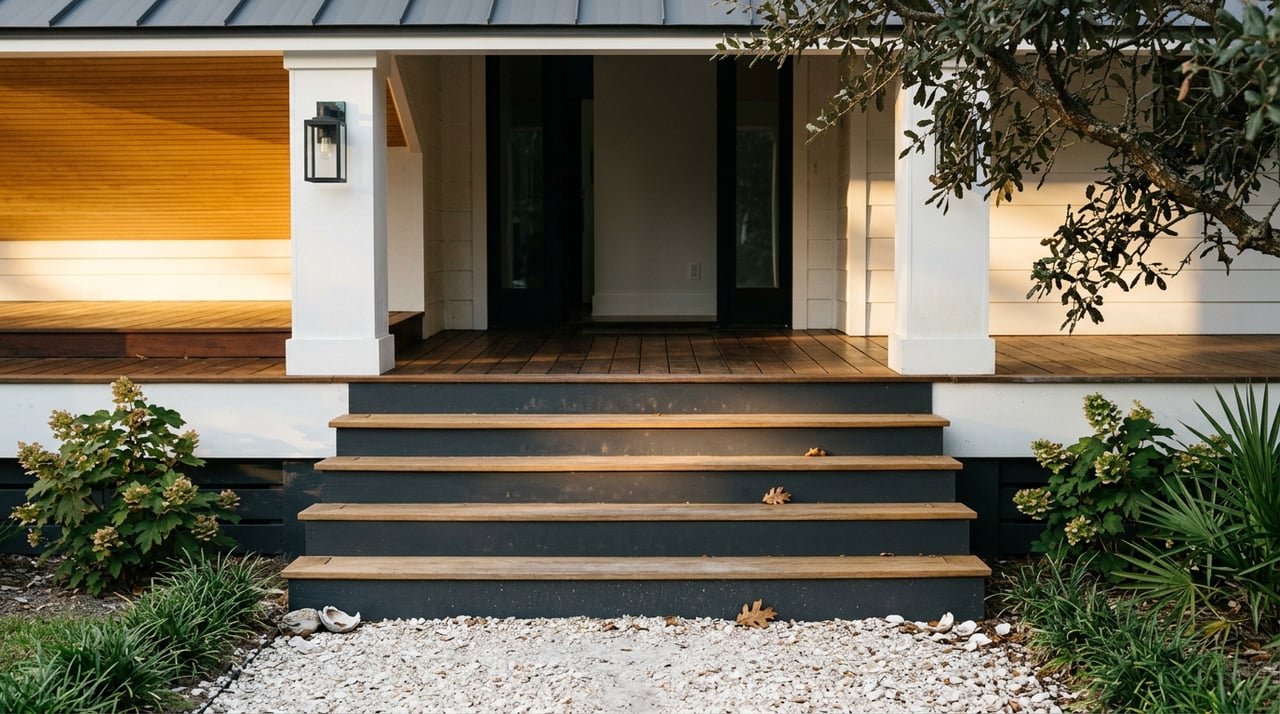
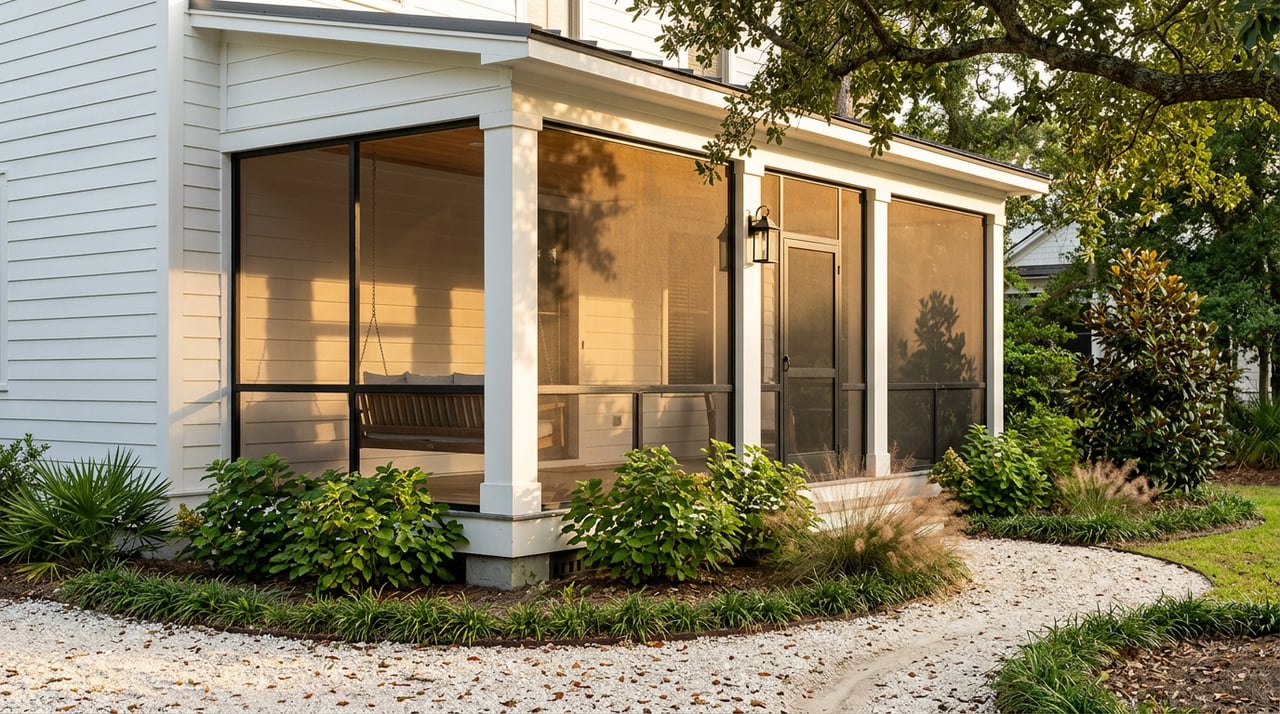
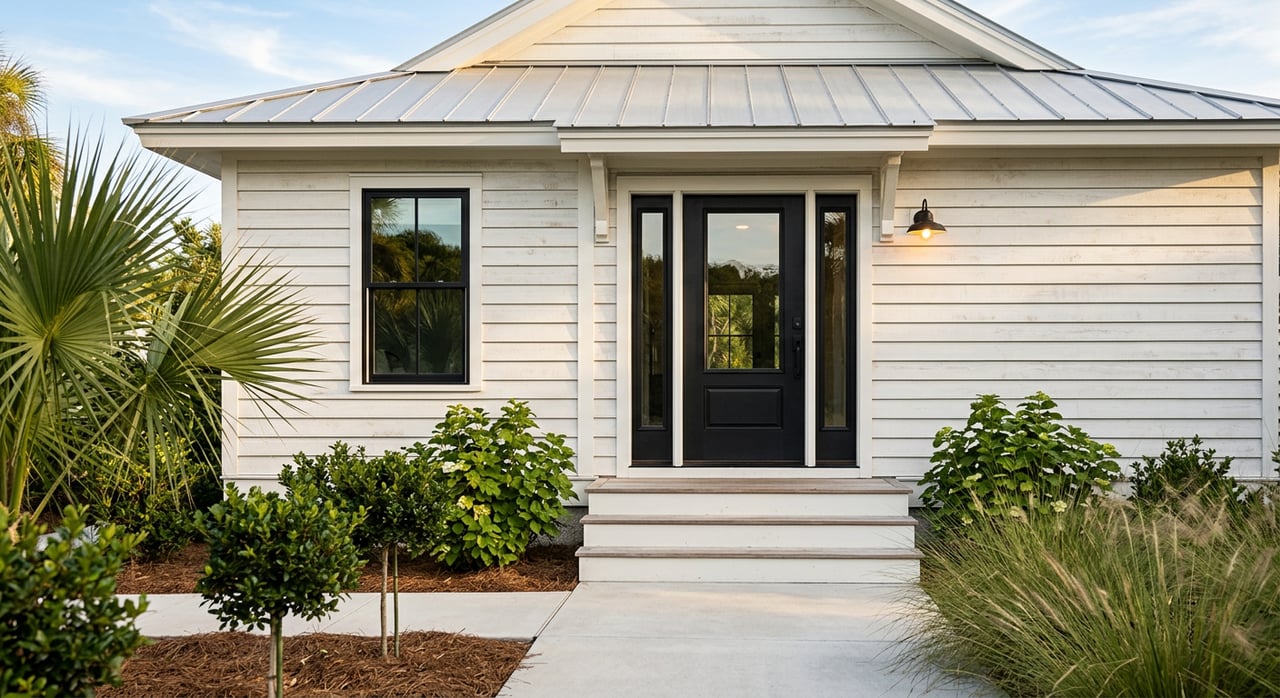
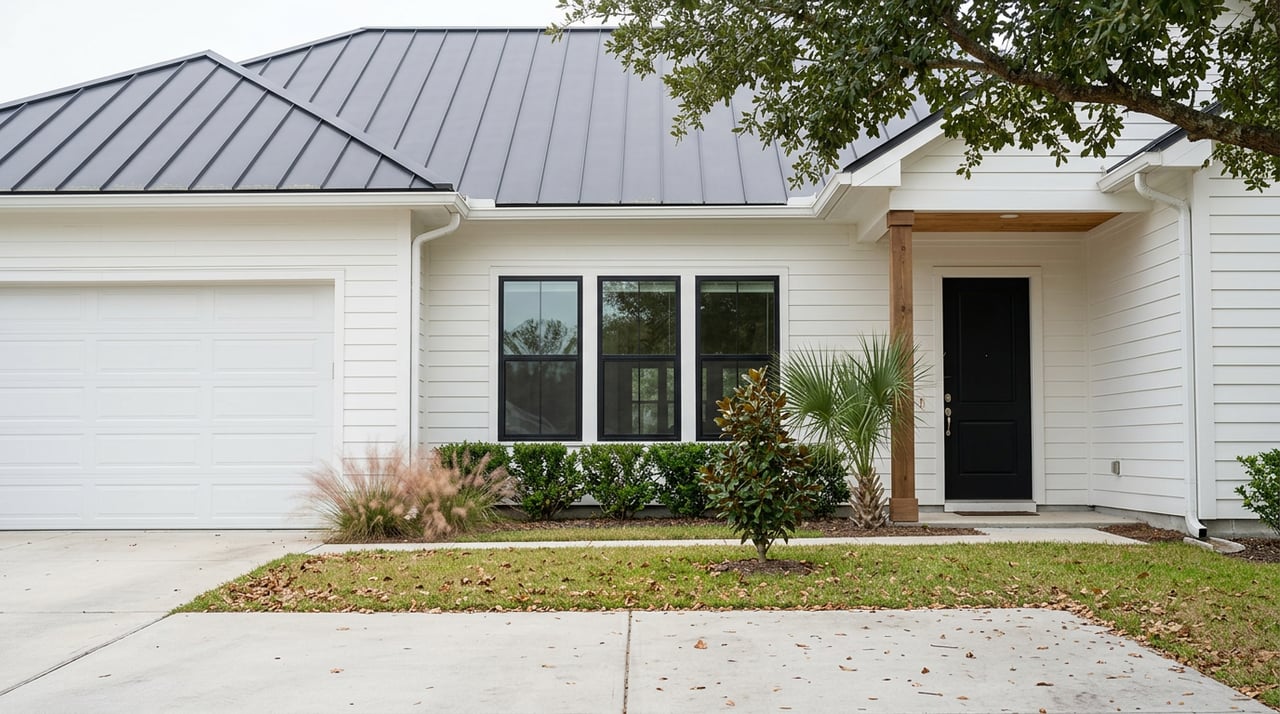
  • Wash off salt and mildew on siding, railings, metalwork, and porch fans. Clean windows, pressure‑wash the drive, and touch up trim so everything looks crisp.
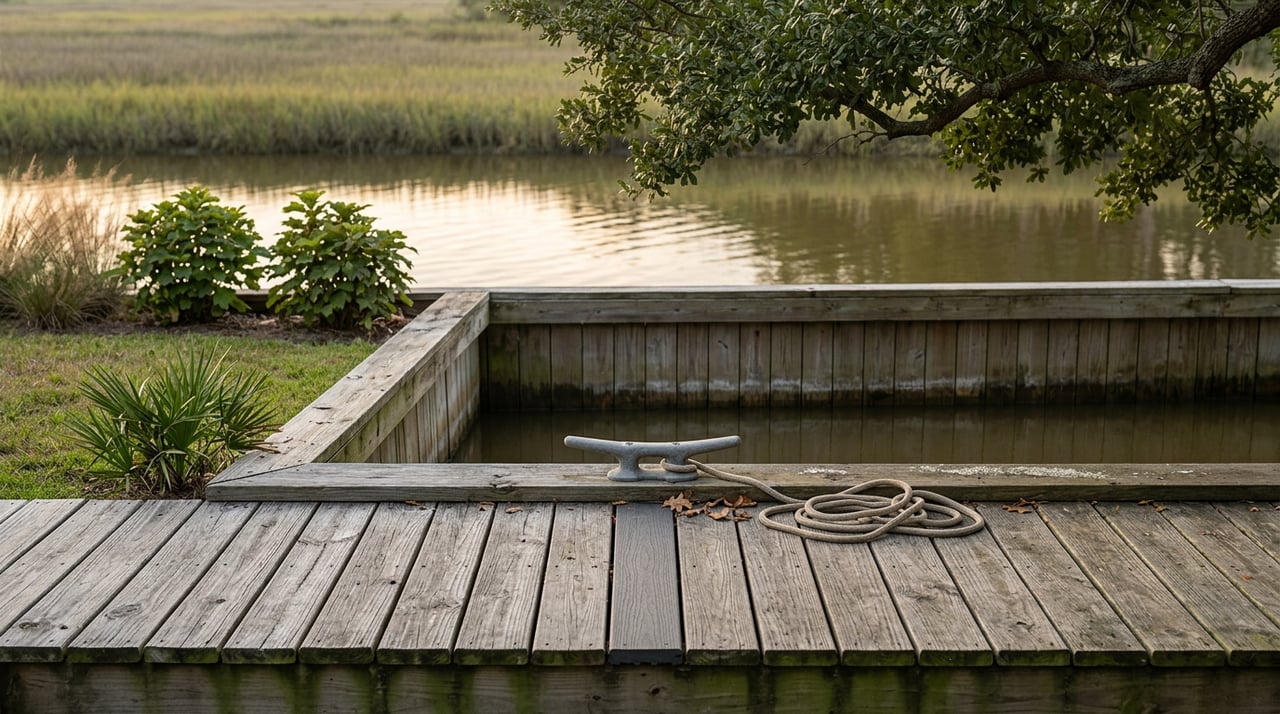
  • Tidy any waterfront elements. Clear docks of tarps, idle gear, and loose lines so the space reads as usable and inviting.
  • Refresh landscaping with salt‑ and storm‑tolerant species and trim hedges for clean lines. Replace sparse mulch and remove dead plants with guidance from MSU Extension on resilient choices.
  • If your home sits in a historic district, verify whether permanent exterior changes require approvals before you update colors, porches, or railings.

Stage interiors that sell

Think of your rooms as scenes in a story. You want each space to feel open, clean, and easy to imagine living in. NAR research shows that decluttering, whole‑home cleaning, and staging are among the most recommended steps before listing, and they consistently help buyers visualize the property per NAR’s staging findings.

Whole‑home basics before photos

  • Declutter and depersonalize. Remove family photos, excess décor, fridge magnets, and personal toiletries.
  • Deep clean from top to bottom. Polish counters, dust fans and baseboards, vacuum, and make windows spotless so they sparkle in photos.
  • Fix small, visible issues. Straighten outlet covers, tighten cabinet pulls, patch scuffs, and secure loose railings.

Lighting that flatters

  • Open all blinds and sheers to maximize daylight. If heavy drapery blocks light, consider removing it for the shoot.
  • Replace mismatched or dim bulbs so color temperatures are consistent throughout. Plan to turn on all lamps.
  • Remove thin area rugs that bunch, small floor items, and anything reflective that might distract in photos following practical photographer prep tips.

High‑impact rooms to prioritize

If time or budget is tight, focus first on the living room, kitchen, and primary bedroom. These rooms set the tone in thumbnails and feature at the top of listing galleries.

  • Living room: Simplify furniture to create a clear conversation area. Style a coffee table lightly, and clear cluttered shelves.
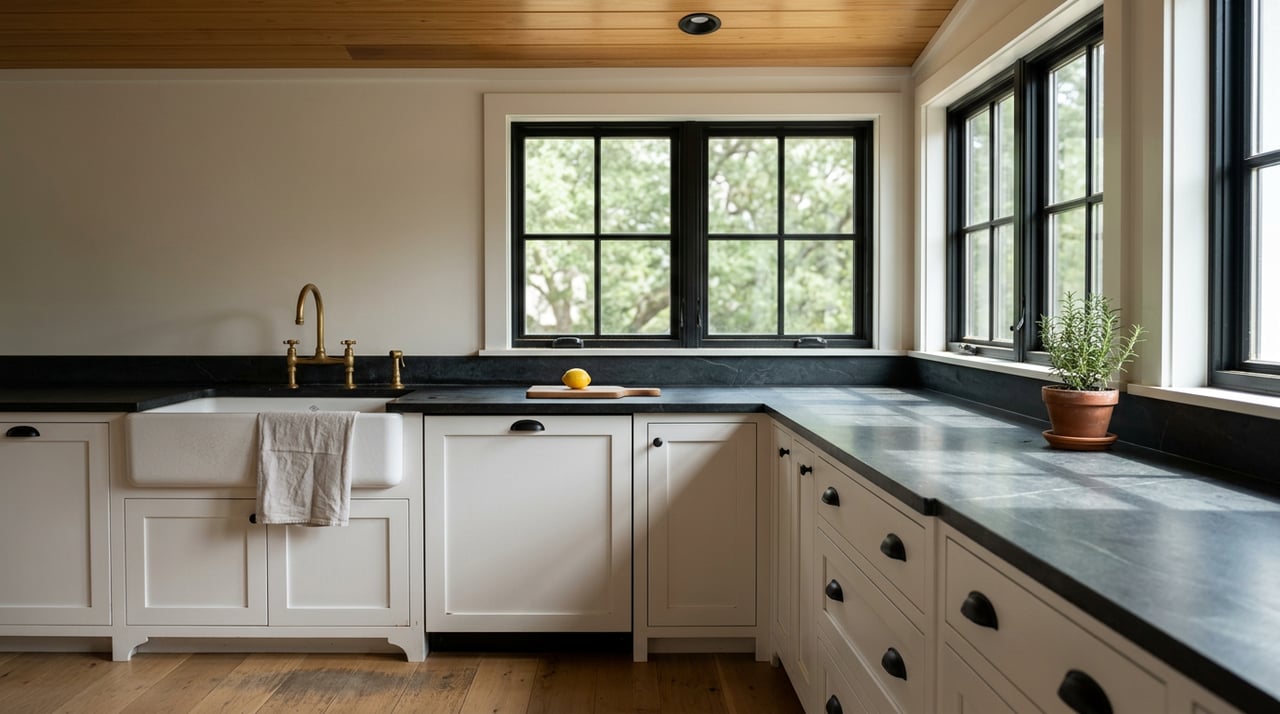
  • Kitchen: Clear counters, hide small appliances, wipe stainless, and add one clean accent like a fruit bowl or greenery.
  • Primary bedroom: Dress the bed in neutral linens, clear dresser tops, and remove personal photos.

Bathrooms, storage, and utility spaces

  • Remove shampoos and toothbrushes, close toilet lids, and hang fresh, neutral towels.
  • Tidy closets and utility rooms so doors can be opened without visual clutter.
  • Store trash bins, laundry baskets, and pet items out of sight.

Vacant homes and virtual staging

If a home is vacant, scale and flow can be hard to read in photos. Consider minimal physical staging in key rooms or virtual staging that adds tasteful, realistic furnishings to images. Both approaches can help buyers understand room sizes and uses as NAR notes on staging options.

Set up for 3D tours and video

Interactive media helps remote buyers understand layout and scale. A smooth 3D capture requires clear pathways so the camera can move and stitch rooms cleanly. Do the following to prep for tours:

  • Clear floors and open walkways between all rooms and key doors.
  • Open interior doors you want included in the tour and make sure closets are tidy enough to show.
  • Create a list of features you want highlighted, such as storage systems, updated mechanicals, and water or neighborhood views. These notes help the photographer capture what matters most to buyers.

If your photographer uses a Matterport‑style system, open space and unobstructed sightlines help produce the best results based on 3D capture best practices.

Work smoothly with your photographer

Great photos happen when the plan is clear. Before shoot day, confirm exactly what is included, how many images you will receive, whether twilight or drone coverage is part of the package, and the delivery timeline. Clarify who owns the media and how you can use it across MLS and marketing so there are no surprises later per standard deliverable and licensing checklists.

Ask about scheduling and sequence. Many photographers prefer interiors during the brightest part of the day and exteriors later for warmer light or twilight. Set a backup weather window for any aerials or exterior video to protect the schedule per common real estate photo workflows.

Drone basics and safety

Aerial images can elevate a Bay St. Louis listing by showing proximity to the beach, harbor, and Old Town. For any drone work, confirm your pilot holds an FAA Part 107 certificate and follows operational limits, including line of sight and altitude rules. If your home is near controlled airspace, your pilot may need authorization before flying. Always verify credentials and a weather contingency plan in advance per FAA Part 107 guidance.

Three‑part photo prep checklist

Use this timeline to keep stress low and results high.

3–7 days before

  • Deep clean the entire home, including windows, mirrors, and light fixtures.
  • Touch up paint on high‑traffic scuffs, tighten hardware, and make small repairs.
  • Refresh landscaping, mow and edge, replace sparse mulch, and remove outdoor clutter. Store hoses, toys, and boats neatly.
  • Confirm your media package, shoot date, and whether twilight or drone coverage is included.

24 hours before

  • Replace burnt bulbs and install consistent warm‑white bulbs where needed.
  • Remove personal photos, mail, medications, pet items, and trash bins.
  • Park vehicles off the driveway and clear the curb.

Morning of the shoot

  • Open all blinds and curtains. Turn on interior lamps throughout.
  • Make beds, fluff pillows, straighten furniture, and remove thin rugs that bunch.
  • Put pets offsite or in a quiet area. Hide bowls, crates, and litter boxes.
  • Set HVAC for comfort and to avoid window condensation.

During the shoot

  • Stay available by phone but out of frame. Keep people out of rooms being photographed.
  • Provide keys or codes for garages, gates, docks, and mechanical rooms.
  • Share your highlight list so the photographer captures special features and views.

What great visuals can do for your bottom line

You want more viewings and better offers. Clean, staged spaces and professional media help your listing stand out in the scroll, and that advantage compounds on MLS, social media, and third‑party portals. NAR’s research indicates that staging and professional visuals can reduce time on market and may increase offers in the low single digits for some properties, though every home is unique. If you are deciding how much to invest, review comparable listings and discuss a customized plan with your agent so your media package matches your price point and target buyer.

Ready to list in Bay St. Louis?

You do not have to tackle this alone. Our team blends neighborhood knowledge with in‑house media that showcases the coastal lifestyle buyers love. If you want photos, tours, and video that present your home at its best, connect with HL Raymond Properties, LLC to get your customized pre‑photo plan and media schedule.
FAQs

Why do professional photos matter in Bay St. Louis?

  • They highlight lifestyle features like Old Town charm, water access, and walkability, helping you attract local and out‑of‑area buyers who often decide to tour based on what they see online.

How should I schedule around hurricane season and weather?

  • Build a backup date for exteriors and any drone work during June through November, and aim for clear, calm conditions so colors, water, and sky look their best.

What should I do to prepare a dock or waterfront area?

  • Remove tarps and gear, coil lines, and stage usable seating if appropriate so the space reads clean, safe, and ready for enjoyment in photos.

Do I need to stage every room to get results?

  • Focus on the living room, kitchen, and primary bedroom first, since those spaces drive the most online engagement, then address secondary rooms as time and budget allow.

Are drones allowed over my property for listing photos?

  • Yes, when flown by a certified FAA Part 107 pilot who follows the rules and secures any required airspace authorization; always confirm credentials and a weather plan.

How do 3D tours help remote buyers?

  • They let shoppers understand layout and scale from anywhere, which can increase engagement and pre‑qualify serious buyers before they schedule an in‑person showing.

Work With a Team That Puts You First

At HL Raymond Properties, your goals are our priority. Whether buying or selling, we bring strategy, care, and professionalism to every step of the process.