
February 26, 2026
Dreaming of a brand-new home near the Mississippi Coast but not sure where to start? You want modern design, fewer repairs, and a smooth path to move-in day. In this guide, you’ll learn what new construction typically costs in Gulfport, where builders are most active, how the process works, and what to watch for with coastal insurance and warranties. Let’s dive in.
Gulfport is an affordable coastal market compared to national averages, with typical area home values in the low-to-mid $200,000s. New construction often prices higher than local resale because of modern layouts, energy features, and builder warranties. If you value low maintenance and predictable costs, a new build can be a smart long-term choice. The key is matching your budget to the right community, plan, and incentives.
Much of the city’s recent building activity clusters north of U.S. 90, including 39503. Subdivisions like River Hills and nearby master-planned areas have seen steady new-home closings. You’ll find a mix of single-story and two-story plans with 3 to 5 bedrooms, plus neighborhood amenities that appeal to buyers wanting a simple, suburban feel.
Smaller production communities serve entry buyers and downsizers with compact floorplans and quick-move-in options. For example, Meritage Homes’ Westbury Estates in coastal Mississippi showcases one-level plans around 1,000 to 1,200 square feet, often targeting first-time buyers.
If you want amenities and a range of home sizes, look at Florence Gardens. Multiple builders operate here, offering cottages to larger homes and the community infrastructure many buyers prefer. Pricing in master-planned settings can stretch into higher ranges based on lot size, plan, and finishes.
You’ll commonly see three product types in Gulfport:
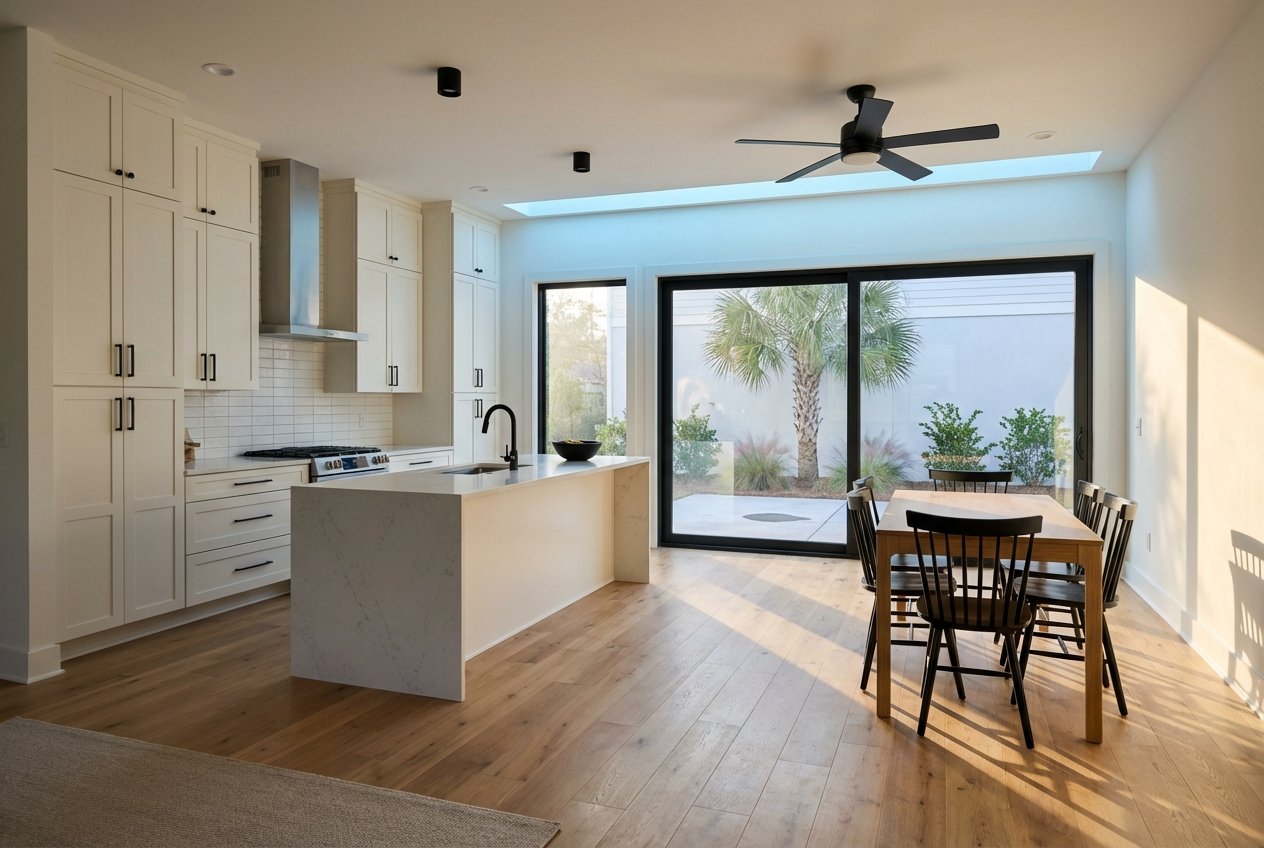
Modern layouts favor open kitchens with islands, walk-in pantries, and an easy flow to living areas. Most plans include a primary suite on the main level for single-story living, plus a 2-car garage. Many builders highlight energy-efficiency packages to reduce utility bills; you can review an example of these programs on Meritage’s community page. Newer neighborhoods often have HOAs that handle common-area care and sometimes lawn services; fees vary by community, so ask for the covenants and current dues.
For a to-build contract with a production builder, plan for roughly 6-12 months from lot start to completion, depending on plan complexity and permitting. Coastal weather can shift schedules, so build in buffer time. For a handy construction-duration overview, see this builder’s guide on how long a home takes to build.
A simple milestone flow looks like this:
Builder contracts are written to protect the builder. Review deposit schedules, change-order rules, and any price-escalation language that could pass material or labor increases to you. If you want agent representation, make sure your agent registers with the builder at your first visit.
Even new homes benefit from independent inspections at key stages, like pre-drywall and pre-closing. A professional can catch issues early, then you and the builder can address them through a final punch list before move-in. Learn why independent inspections are worthwhile in this overview of new-construction inspections and representation.
Many builders offer tiered coverage that looks like 1-year workmanship and materials, 2-year systems, and longer structural protection. Always get the warranty in writing and understand how to file a claim. The FTC explains common coverage patterns in its guide to warranties for new homes.
On the Mississippi Coast, insurance and elevation matter. Check the property’s flood zone and elevation early using FEMA’s Flood Map Service Center. Flood zone status will affect your financing and insurance.
For wind coverage, coastal Mississippi uses a wind pool as the insurer of last resort. That can influence availability and cost of wind or hurricane coverage. You can read background about wind pools and coastal policies in this summary on Mississippi windstorm coverage. Before you sign, get quotes for the specific lot and plan so your total monthly cost is clear.
Financing options depend on what you buy. Quick-move-in homes usually qualify for standard mortgages. To-build or custom paths may use construction-to-permanent loans. Builders sometimes offer closing-cost credits or rate buydowns if you use their preferred lender. Compare the full package of price, rate, and fees, and confirm whether incentives are tied to one lender, as explained in this guide to how builder incentives work.
Bring this checklist to every model tour and site visit:
Buying new construction still benefits from expert representation. A local agent protects your interests, from registering you with the builder to reviewing contract language and tracking key dates. You also get market context to compare new-build pricing with nearby resales so you avoid overpaying on upgrades. During construction, your agent can join walkthroughs, help document punch-list items, and advocate for timely fixes.
If you’re ready to explore Gulfport’s new communities, let’s talk about your budget, timeline, and must-haves. Reach out to HL Raymond Properties, LLC to get started.


At HL Raymond Properties, your goals are our priority. Whether buying or selling, we bring strategy, care, and professionalism to every step of the process.