
December 11, 2025
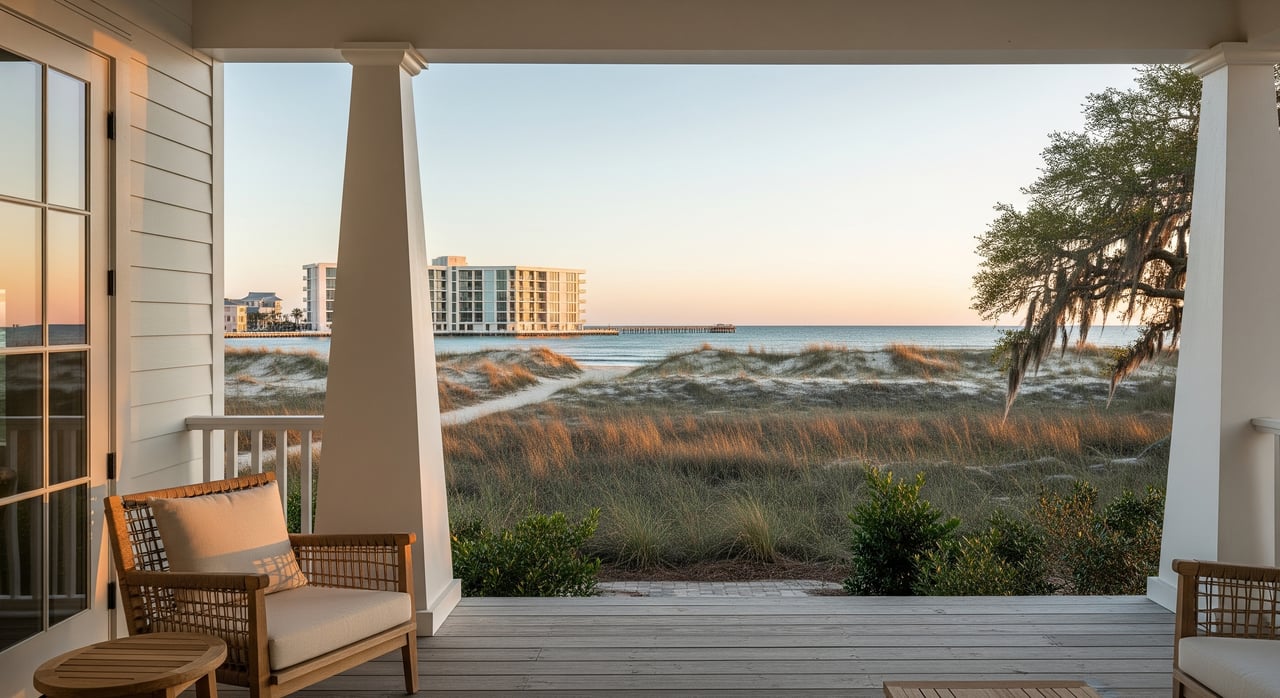
Beachfront balcony or shady front porch? If you are deciding between a condo and a cottage in Biloxi, you are weighing two great coastal lifestyles with very different ownership experiences. You want the right fit for how you live, what you want to maintain, and how you plan to use the home year‑round. In this guide, you will compare costs, maintenance, insurance, lifestyle, and rental rules so you can choose with confidence. Let’s dive in.
Biloxi sits on the Mississippi Gulf Coast, known for beaches, fishing, and a strong tourism and casino scene. That seasonal visitor economy supports both short‑term and long‑term rental demand, and it shapes resale patterns across Harrison County. The coast is also exposed to tropical storms and hurricanes, which affects insurance, construction choices, and post‑storm recovery.
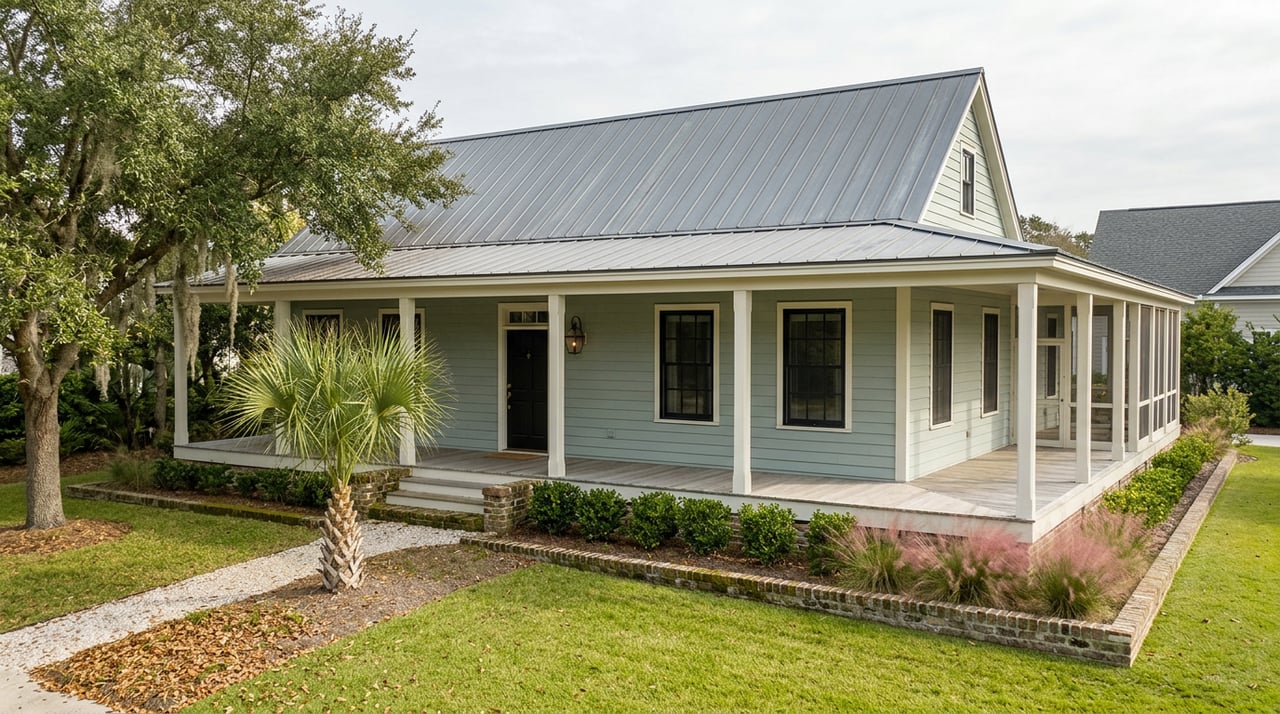
You will find two common property paths in this decision. Condominiums range from beachfront towers to mid‑rise buildings with shared amenities like pools, elevators, and fitness rooms. Old Town–style cottages are typically smaller single‑family homes or duplexes near historic areas, with porches, private yards, and a more residential feel.
Demand in Biloxi is influenced by tourism, second‑home buyers, retirees, and employment at places like Keesler AFB. Beachfront units and well‑located historic cottages are finite, so availability can be tight. For current pricing and inventory, review the Gulf Coast MLS or speak with a local agent for active data.
Prices vary by building, age, and proximity to the beach or historic districts. Condos close to the water often carry a higher price per square foot, while cottages in prized blocks may command a premium for lot scarcity and charm. Property taxes are assessed at the county level through the Harrison County Tax Assessor, and millage rates determine annual bills. Always verify parcel‑specific tax records before you make an offer.
Condo communities collect monthly HOA dues. Those dues commonly fund exterior and common‑area upkeep, a master insurance policy for the building’s exterior, landscaping, trash service, elevator and pool maintenance, security, and reserves for future repairs. Fee levels depend on the building’s age, amenities, and the strength of its reserves.
Most cottages do not have an HOA, so you budget for all maintenance yourself. If a cottage sits in a historic or neighborhood association, there may be modest dues or design review fees.
Key due‑diligence items for condos include the HOA budget, reserve study, recent meeting minutes, special assessment history, litigation disclosures, and insurance coverage details. Ask exactly what dues cover and how much is set aside in reserves.
Insurance is a major line item in Biloxi. Many properties fall within FEMA Special Flood Hazard Areas, where lenders typically require flood insurance if you finance your purchase. Condo associations may carry a master flood policy for the building exterior, while you purchase coverage for your unit interior and contents. Cottage owners secure their own flood policy and set coverage limits directly.
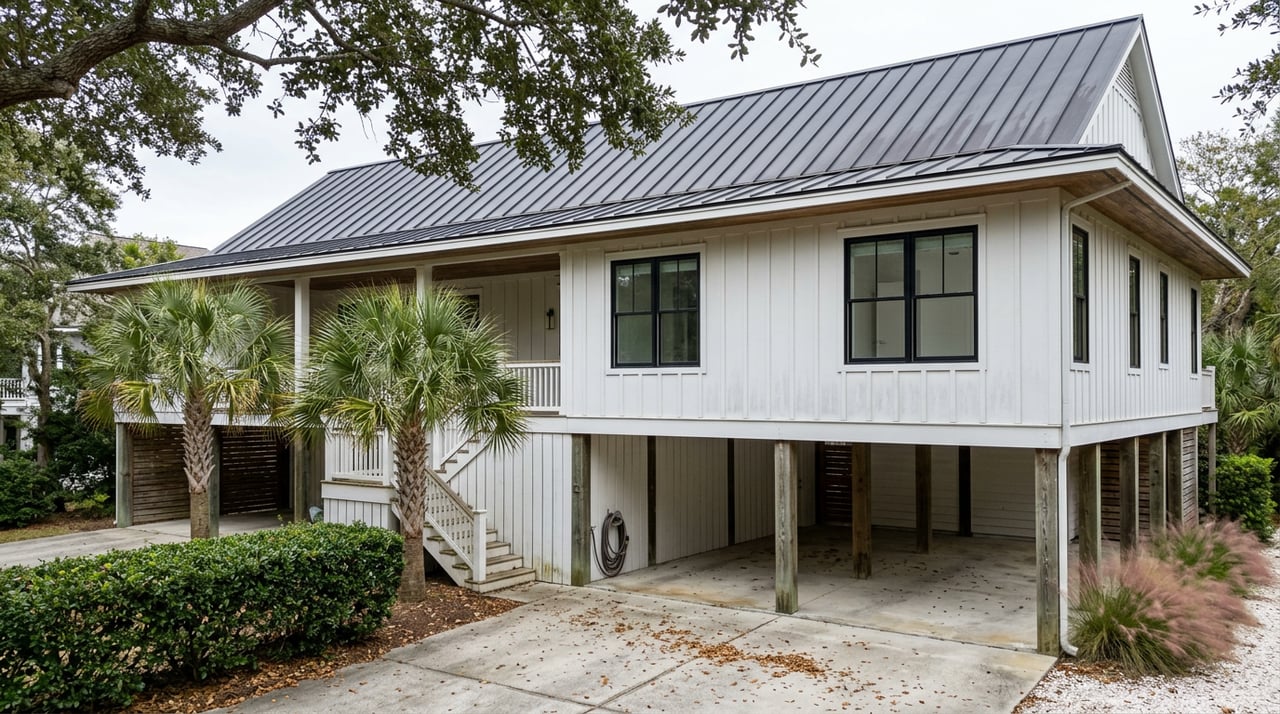
Windstorm and hurricane coverage is also common for coastal properties. If private coverage is unavailable or cost‑prohibitive, some owners use the Mississippi Windstorm Underwriting Association as a backstop. Premiums depend on a home’s elevation, distance from the shoreline, age, construction type, and mitigation features like hurricane straps, storm shutters, and elevated foundations.
Condos often include some utilities in HOA dues, such as water or trash. Cottages usually have separate utility accounts for everything. When you compare monthly carrying costs, tally your principal and interest, taxes, insurance, HOA dues if any, and expected utilities to get a realistic picture.
In condos, the association typically manages the exterior shell, roof, structural elements, and shared systems. You are responsible for your unit interior and any items the bylaws assign to owners. This lowers your day‑to‑day upkeep but relies on a solvent, well‑run association.
With a cottage, you control and pay for everything, from the roof and siding to the yard and pest control. That means more time and budgeting, but also faster decisions and direct oversight of repairs and upgrades.
Condo communities can pool resources and file coordinated claims after a hurricane, which can help with complex projects like roofs and elevators. Recovery can still be slowed by governance processes, reserve shortfalls, or insurance negotiations. Cottage owners can move quickly on repairs if funds and coverage are in place, though large projects still depend on contractors and insurance timelines.
Older cottages may have deferred maintenance, from electrical and plumbing to foundation settlement, moisture, or termites. A thorough home inspection, pest inspection, and review of any elevation certificate are smart steps. For condos, ask for recent building system inspections, the reserve study, and records of major repairs like roof, elevators, and parking structures.
Beachfront or casino‑adjacent condos offer views and easy access to dining and entertainment, which can boost rental appeal. That convenience may also come with more noise, foot traffic, and parking activity. Old Town cottages lean toward quiet residential streets, private outdoor space, and historic character, while still keeping you close to Biloxi’s core depending on the exact block.
Condos usually have a smaller footprint and shared walls. Many buyers accept that trade for low exterior maintenance and amenities. Cottages provide more privacy, yard space for pets and gardening, and the potential to expand, subject to zoning and any historic‑district rules.
Condos commonly include a pool, gym, secure entry, and elevators, which make them popular for second‑home owners who want a lock‑and‑leave setup. Cottages require more hands‑on upkeep but let you personalize outdoor living with porches, patios, and workshops.
Condos typically include assigned or structured parking, which may have rules for guests. Cottages rely on driveways or street parking. If you expect frequent visitors or plan to operate a rental, confirm where guests will park and any neighborhood restrictions.
Some Old Town–style cottages may carry a historic designation or fall within conservation districts. These protections help preserve neighborhood character, but they can also require design review and permits for exterior changes. Ask about local guidelines before you plan renovations.
If rental income is part of your plan, confirm rules at three levels before you buy.
Condos in tourist areas attract strong seasonal demand, but HOA rules may restrict short‑term stays or require extra compliance steps. Cottages can work well as year‑round long‑term rentals or as short‑term rentals if zoning, licensing, and insurance allow. Always confirm neighborhood norms and enforcement history so your plan matches reality.
Some loan programs, including FHA and VA, require condo project approval, which can limit financing options in certain buildings. Single‑family cottages generally do not face project‑level approvals. On resale, condo values are influenced by HOA health, rental restrictions, and building condition, while cottages are driven by lot, location, and overall single‑family demand.
Choose a condo if you want:
Choose a cottage if you want:
Documents to review:
Inspections and expert calls:
Smart buyer questions:
When you align budget, maintenance tolerance, lifestyle goals, and rental plans with the right property type, the Biloxi market offers great options. Take the time to verify documents, insurance, and financing early. You will avoid surprises and purchase with confidence.
Ready to compare specific condos and cottages in Biloxi and map out next steps? Connect with the Gulf Coast team at HL Raymond Properties, LLC to explore listings, review documents, and plan a strategy that fits your goals.


At HL Raymond Properties, your goals are our priority. Whether buying or selling, we bring strategy, care, and professionalism to every step of the process.