
May 7, 2026
Dreaming about a place where weekends feel longer, the water is always close, and Old Town charm is part of daily life? If you are considering a second home in Bay St. Louis, you are not alone. This coastal market can be a great fit for buyers who want a personal getaway, occasional guest use, or a property with future rental potential, but it also comes with local rules and ownership costs you need to understand. This guide will help you think through price, location, insurance, rentals, and remote-buying details so you can make a smart plan. Let’s dive in.
Bay St. Louis has long been tied to tourism, recreation, and the arts, which helps explain why it stands out as a second-home destination on the Mississippi Gulf Coast. You get a coastal setting on the Mississippi Sound, plus convenient access to boating, fishing, beach time, and the walkable energy of Old Town.
For many buyers, the appeal is not just the house itself. It is the lifestyle around it. A second home here can mean quick weekend trips, more time on the water, and a home base for festivals, dining, and local events.
If you are just starting your search, Bay St. Louis offers a fairly wide price range. Recent market data showed a March 2026 median sale price of $290,000, while the median list price was $383,300 as of March 31, 2026.
That gap matters because list prices and closed prices do not always tell the same story. Public listings also show a broad spread, from about $139,900 to $998,760, with many homes clustering in the $300,000 to $500,000 range.
Another useful detail is that the market has been described as not very competitive. For you, that may create room to slow down, compare options carefully, and pay attention to the full cost of ownership instead of focusing only on the purchase price.
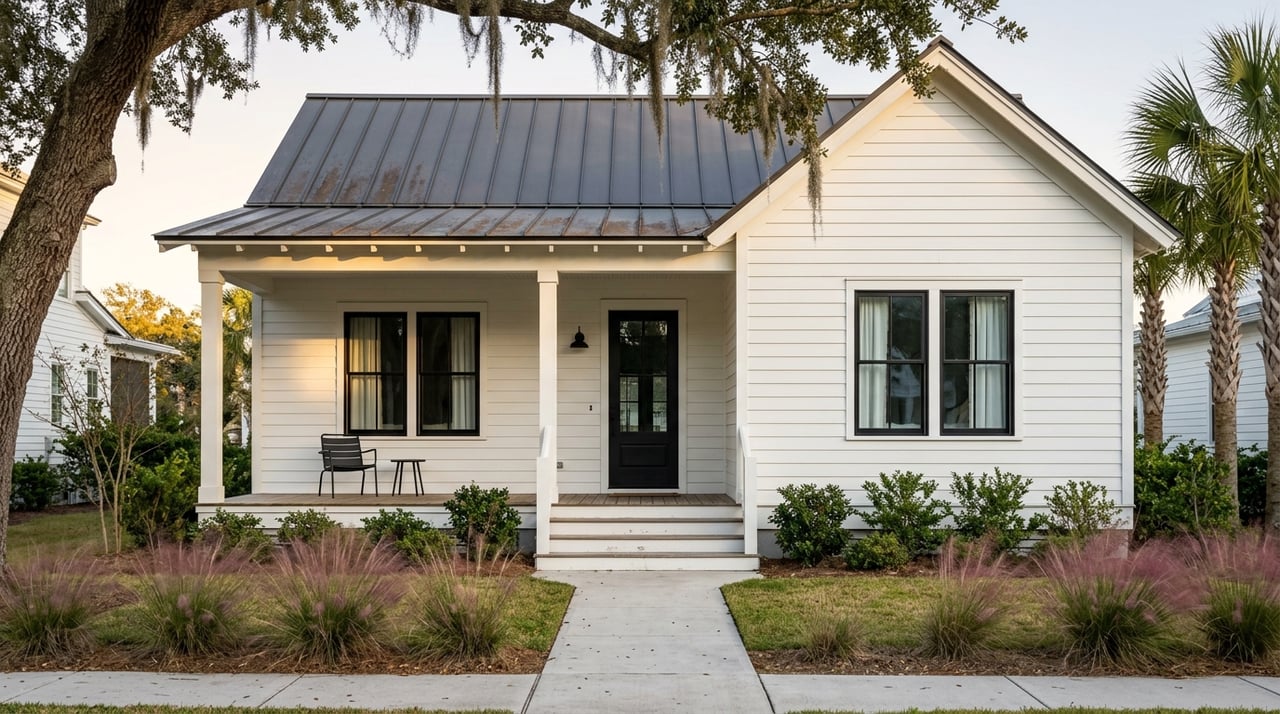
Old Town is one of the biggest draws for second-home buyers because it combines convenience, charm, and activity. If you want a place where you can spend a weekend walking to local spots and enjoying community events, this area may be high on your list.
Bay St. Louis also includes the Bay St. Louis National Register Historic District and the Depot Arts District, which overlap the Old Town Core. If you are looking at an older home in these areas, it is important to know that visible exterior changes may be subject to historic-preservation guidelines and oversight by the Preservation Commission.
That does not mean a historic property is the wrong choice. It simply means you should understand the rules before you buy, especially if you plan to renovate, add exterior features, or change visible design elements.
Water access shapes the local lifestyle in a big way. The city highlights beach access, sailing, fishing, boat launches, fishing piers, and a municipal harbor, so many buyers are drawn to homes that support boating, crabbing, or quick access to the water.
When you compare homes, think beyond finishes and square footage. A property’s real value to you may depend on how easily it supports the way you plan to use it, whether that means keeping a boat nearby, enjoying beach days, or simply having a water-oriented setting.
Not every second-home buyer wants a standalone house with a long maintenance list. In Bay St. Louis, some buyers may prefer condos or townhome-style options that can offer a lower-maintenance ownership experience.
That can be especially attractive if you live out of town and only use the property part of the year. Less upkeep can make the second-home experience feel easier and more predictable.
One of the biggest mistakes second-home buyers make is focusing too much on the sale price and not enough on the monthly carrying cost. In a coastal market like Bay St. Louis, flood insurance, windstorm coverage, maintenance, and storm preparation can all be meaningful parts of your real budget.
A home that feels affordable at first glance may look very different after you add insurance premiums, seasonal maintenance, and the cost of keeping the property protected while it sits empty. This is why a realistic Bay St. Louis budget should include more than principal, interest, taxes, and basic utilities.
If you are buying a true second home, do not assume it qualifies for the same tax treatment as your primary residence. In Mississippi, the homestead exemption applies to an eligible homeowner’s primary home, and claiming homestead on more than one property is a common reason for disallowance.
For buyers exploring Bay St. Louis as a vacation home destination, the practical takeaway is simple: a second home generally should not be treated as a homestead tax break candidate. If you have questions about timing, homestead applications are accepted at the county Tax Assessor’s office between January 1 and April 1.
Flood risk is a central part of buying in Bay St. Louis. The city’s comprehensive plan states that Bay St. Louis lies fully within classified FEMA flood zones, which means flood due diligence should be part of every second-home purchase conversation.
Just as important, homeowners insurance does not cover flood damage from rising water. The Mississippi Insurance Department notes that high-risk flood areas with federally backed mortgages require flood insurance, and flood coverage can take about 30 days to go into effect.
If you wait until the last minute to look into flood coverage, you could create problems for your timeline and your budget. It is smart to get insurance information early, especially if you are comparing multiple homes.
Wind coverage deserves its own review. The Mississippi Insurance Department recommends checking whether a homeowners policy includes both flood and windstorm coverage, and if windstorm damage is excluded, coverage may be available through the Mississippi Windstorm Underwriting Association, often called the windpool.
Timing matters too. Hurricane season runs from June through November, and insurers may stop accepting new applications after a hurricane enters the Gulf. If you are buying during storm season, insurance planning should start as early as possible.
If you are considering a property that needs work, ask how storm-hardening upgrades may affect ownership costs over time. The Mississippi Insurance Department says the windpool offers mitigation discounts tied to IBHS/FORTIFIED certification, including a minimum 40% credit for Fortified for Safer Living and credits for Fortified for Existing Homes.
That makes items like roof condition, attachment systems, and other resilience features worth discussing early. In some cases, a better-built or better-updated home may save you money and stress long after closing.
Second homes often sit empty for stretches, which changes how you should evaluate upkeep. In Bay St. Louis, roof age, HVAC condition, drainage, exterior materials, window protection, and post-storm clean-up planning all deserve extra attention.
The state’s hurricane checklist also recommends keeping an updated inventory, verifying replacement-cost coverage, documenting possessions, and using licensed, reputable contractors after damage. If you will not be in town full-time, a clear maintenance plan can be just as important as the home’s location.
If part of your plan involves renting the home for short stays, local rules need to be part of your search from day one. Bay St. Louis requires a city permit for short-term rentals, defined as residential property used for compensation for stays of less than 30 consecutive days.
The city requires the owner or operator to register before advertising the property. The permit process also includes a $100 annual registration fee, a unique permit number in advertisements, a designated owner or operator contact, a parking plan, and a tenant information sheet with emergency and house-rule details.
You should also remember that city approval is not the only factor. Private covenants, zoning restrictions, and deed restrictions may still apply, so each property needs its own review.
If rental use is part of your goal, bedroom count and layout matter more than many buyers expect. The city’s ordinance ties maximum occupancy to sleeping rooms, along with additional per-dwelling allowances, and larger homes can receive a higher cap.
That means rental potential is not just about style or proximity to the beach. The actual configuration of the home can affect how the property functions for guests and what kind of use may be realistic.
Your intended use matters to your lender. If you want the property financed as a second home, lender standards can be different from financing for an investment property.
Fannie Mae says a second home must be occupied by the borrower for some portion of the year, be a one-unit dwelling, be suitable for year-round occupancy, and remain under the borrower’s exclusive control. It also says second-home financing cannot involve a management arrangement that controls occupancy.
There is another point buyers often miss. If rental income is identified, the property can still be treated as a second home only if that income is not used to qualify. If your plan leans heavily toward rental use, the property may be treated more like an investment property instead.
If you are buying from out of town, Bay St. Louis rewards careful local due diligence. Coastal properties can have details that are easy to miss during a quick weekend visit or a virtual tour.
A strong buying plan should include verification of:
This is especially important in a market where the city’s planning department handles zoning, site plans, subdivision review, and related regulations. Local detail matters here, and a property that looks perfect online may raise practical questions once you review the full picture.
Before you commit to a Bay St. Louis second home, take a step back and ask yourself a few honest questions. The right answer depends on how you plan to use the property and what level of ownership cost feels comfortable.
Here are some of the most useful questions to keep in mind:
The more clearly you answer these questions, the easier it becomes to narrow your search. In Bay St. Louis, the best second home is not always the one with the prettiest photos. It is the one that fits your real lifestyle, budget, and long-term plan.
If you are thinking about a second home in Bay St. Louis, having local guidance can make the process much clearer. From Old Town cottages to waterfront properties and lower-maintenance options, the right strategy starts with understanding how you want to live here and what each property really requires. When you are ready to explore your options, connect with HL Raymond Properties, LLC for knowledgeable, local support.


At HL Raymond Properties, your goals are our priority. Whether buying or selling, we bring strategy, care, and professionalism to every step of the process.