July 2, 2026
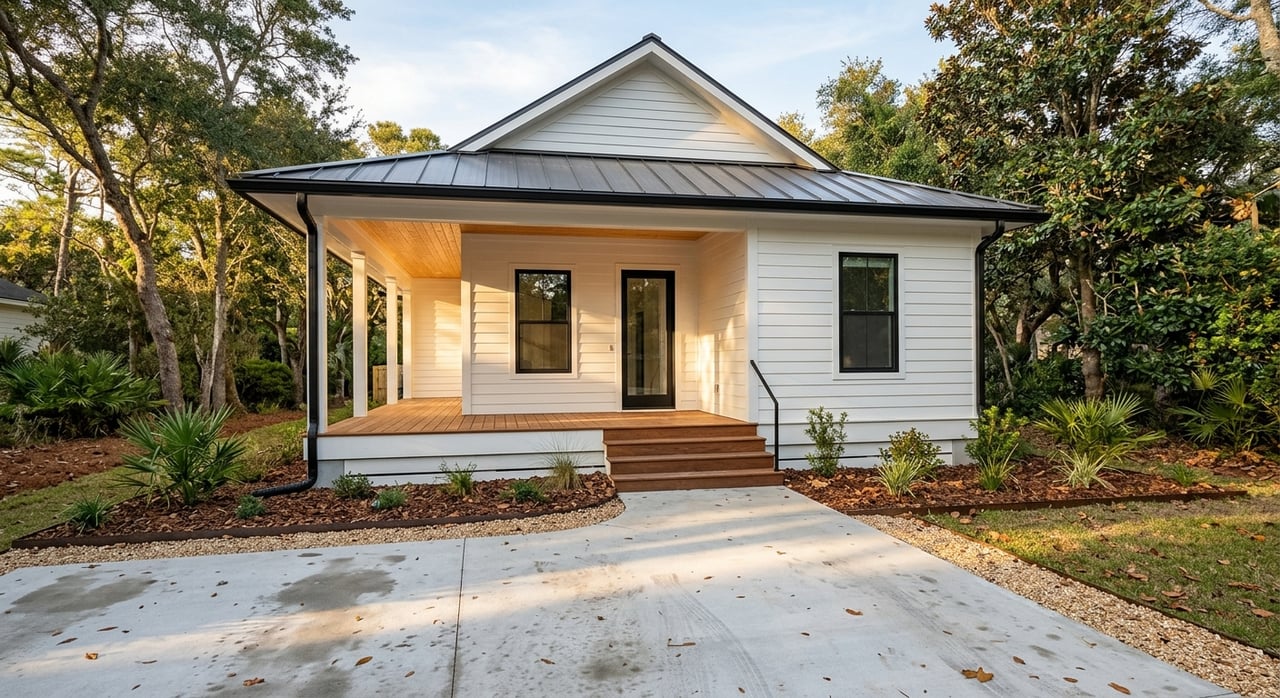
Thinking about building a custom home in Pass Christian? It is an exciting idea, but on the Mississippi Coast, the right lot and the right approvals matter just as much as your floor plan. If you want to build with fewer surprises, it helps to understand how zoning, floodplain rules, utilities, and historic review can shape your project from day one. Let’s dive in.
Pass Christian is known for its coastal setting, historic homes, and beautiful oak-lined character. That means custom-home planning is about more than choosing finishes or adding square footage.
The city’s development rules address streetscape requirements, landscaping, architectural standards, and historic preservation. In practical terms, your home’s placement, design, and site prep may all need to fit both the lot and the surrounding context.
One of the biggest mistakes buyers make is falling in love with a house design before confirming that the lot can support it. In Pass Christian, the lot itself can determine what you can build, where you can place it, and what approvals you may need.
Before you commit to land, you should review the basics early. That includes zoning, setbacks, floodplain status, utility access, easements, and whether the parcel falls within a historic district.
Not every lot offers the same design freedom. Setbacks and zoning rules can affect your home’s footprint, garage placement, porch depth, drive access, and how outdoor space functions.
This matters even more on coastal or irregular lots. A lot that looks large enough on paper may have a smaller usable building envelope once setbacks and site conditions are applied.
In Pass Christian, floodplain review is not a side issue. It is a standard part of the custom-home process, especially for coastal property.
The city maintains a floodplain information page, local ordinance materials, a GIS map, and a floodplain development permit application. If your property is in a Special Flood Hazard Area, the city says work cannot begin until the floodplain permit is issued.
Floodplain review can influence several major decisions, including:
FEMA guidance referenced by the city also notes that lenders may require flood insurance in Special Flood Hazard Areas. For many buyers, that makes flood-zone review part of both the design conversation and the long-term ownership budget.
Pass Christian’s historic character is part of what draws many buyers to the area. If your lot is within the Historic Preservation District, the city code requires prior written approval from the Historical Preservation Commission before work begins.
That does not mean building is off the table. It does mean your design timeline may include another layer of review, so it is smart to confirm district status before you finalize plans or close on land.
It is easy to think permits begin with construction, but early site work can trigger approvals as well. In Pass Christian, lot clearing, tree removal or pruning, platting, and floodplain-related work all appear in the city’s pre-build process.
That is especially important if you are buying a heavily wooded parcel or raw land. In a city known for its oak canopy, tree review may be part of the plan from the start, not an afterthought.
A beautiful parcel is not automatically a ready-to-build parcel. Utility access should be verified early, especially for raw land, edge-of-city parcels, or sites where off-site improvements may be needed.
The city’s water and sewer availability form asks whether water and sewer are available, whether city-owned infrastructure or easements are present, whether sewer is gravity or pressure, and whether a grinder pump is required. Those are important details because they can affect both budget and feasibility.
Before you move forward, try to confirm:
The city also notes that its water department serves residents within city limits, while WPSCO handles sewer maintenance and after-hours sewer emergencies. That makes location and service boundaries worth reviewing up front.
Once you have the right lot, the next step is making sure your plans match local requirements. Pass Christian says it has adopted the 2024 International Residential Code and International Building Code.
The city’s development code also states that site and building plans must be prepared and submitted for administrative approval through the Planning Office. The plans must then be approved by the City Planner and the Mayor and Board of Aldermen before work begins.
Depending on the property, your pre-construction checklist may include:
When you build a custom home, your contractor team matters as much as your design team. Mississippi requires commercial and residential contractors and roofers to be licensed by the Mississippi State Board of Contractors.
That makes license verification a practical step before signing agreements or starting work. If multiple trades are involved, it is wise to confirm that everyone handling regulated work is properly licensed.
Building a custom home usually starts with land, and land is where many costly surprises hide. A local real estate team can help you evaluate whether a lot fits your goals before you spend money on surveys, plans, or pre-construction work.
In Pass Christian, that often means asking the right property-specific questions early. Is the parcel buildable for your intended use? Are utilities available? Is the lot affected by setbacks, easements, floodplain rules, tree review, or historic district requirements?
For out-of-area buyers and second-home buyers, this early guidance can be especially valuable. It helps you focus on parcels that match your vision and avoid lots that could add delays, redesign costs, or approval hurdles.
The custom-home process in Pass Christian can be rewarding, but it works best when you begin with due diligence instead of assumptions. The right lot, verified utilities, floodplain review, and a clear understanding of local approvals can save time, money, and frustration.
If you are exploring land or planning a custom build on the Mississippi Gulf Coast, working with people who understand the local process can make each next step clearer. When you are ready to talk through lots, location goals, or what to verify before you buy, connect with HL Raymond Properties, LLC.
At HL Raymond Properties, your goals are our priority. Whether buying or selling, we bring strategy, care, and professionalism to every step of the process.